

Drahtgeflecht
Steinschlagschutzsysteme aus Stahldraht
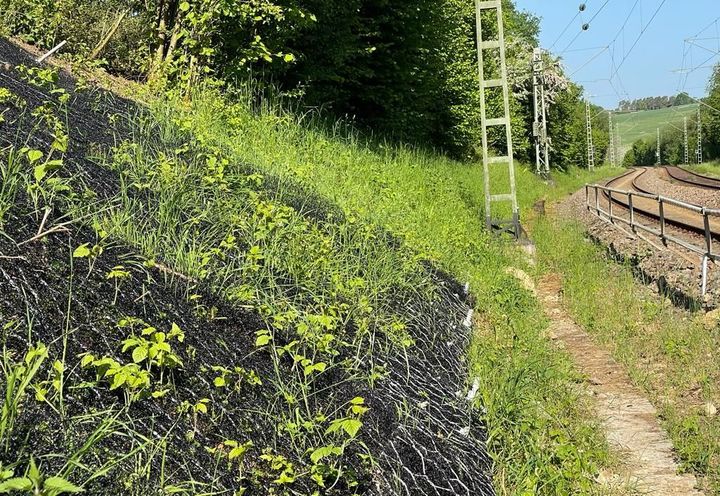
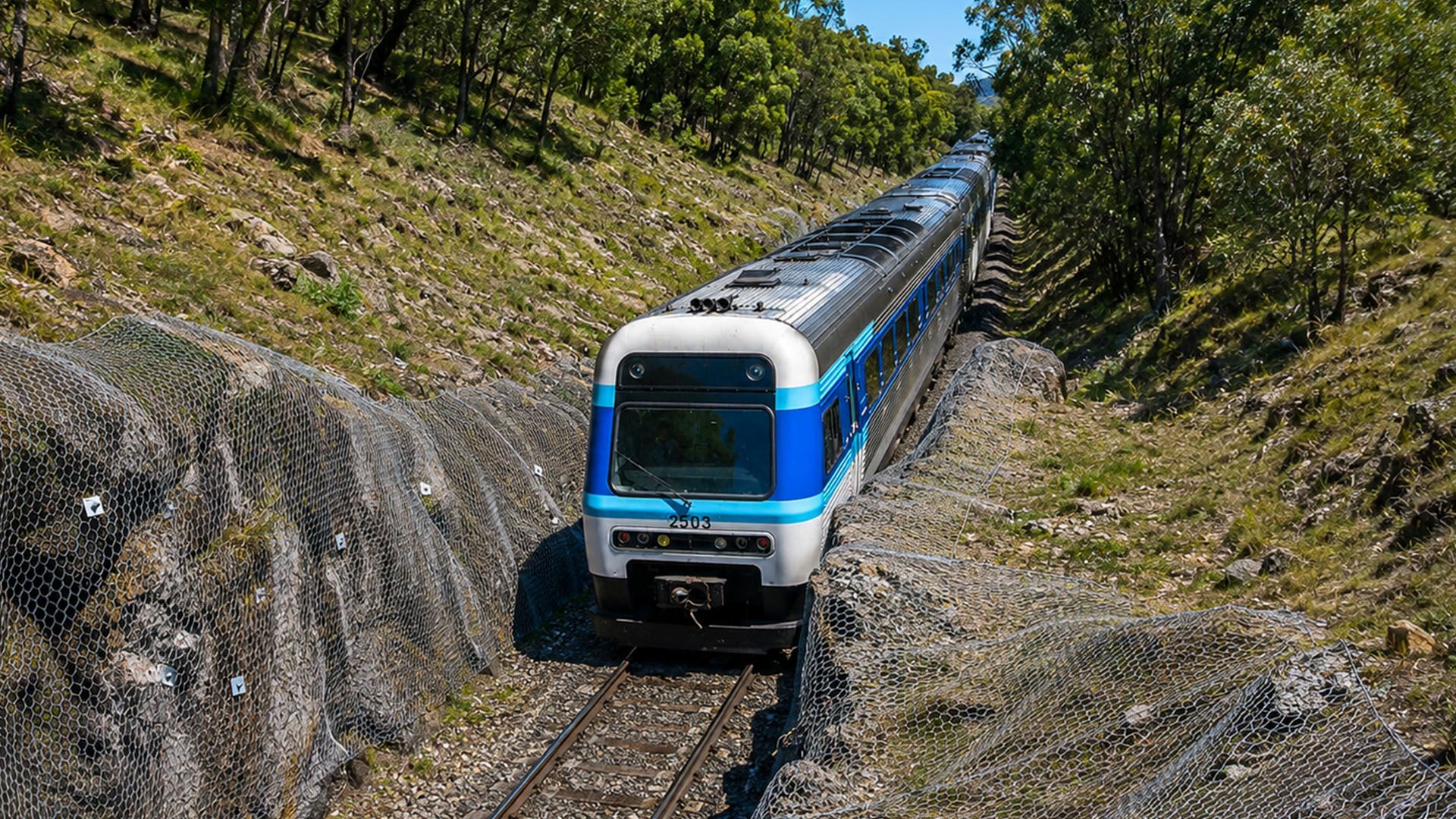
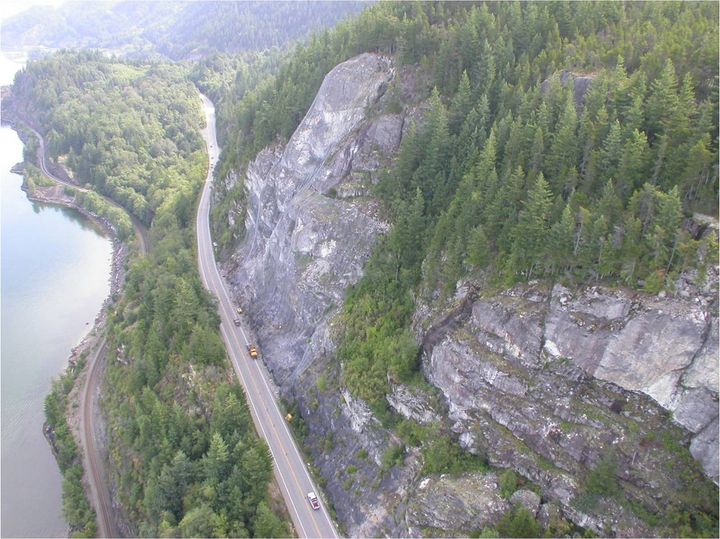
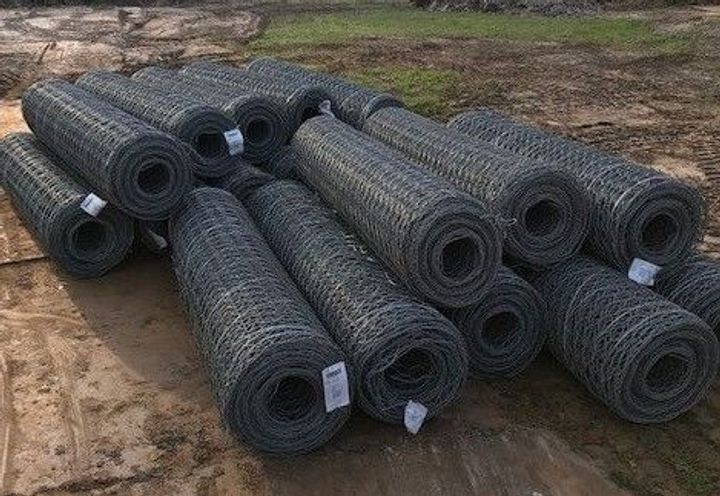
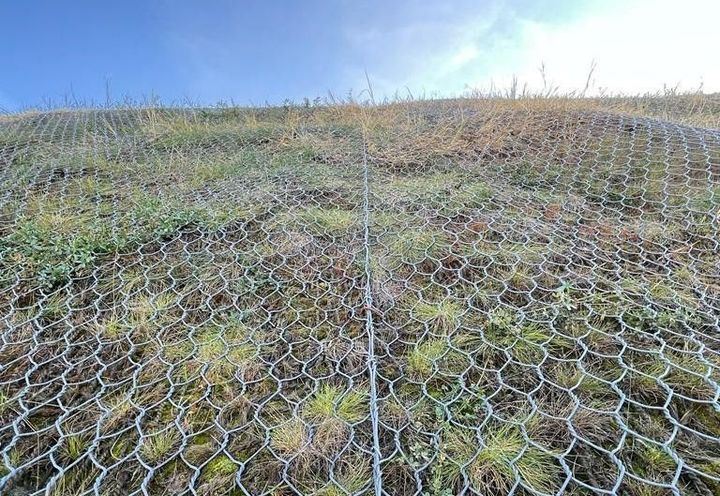
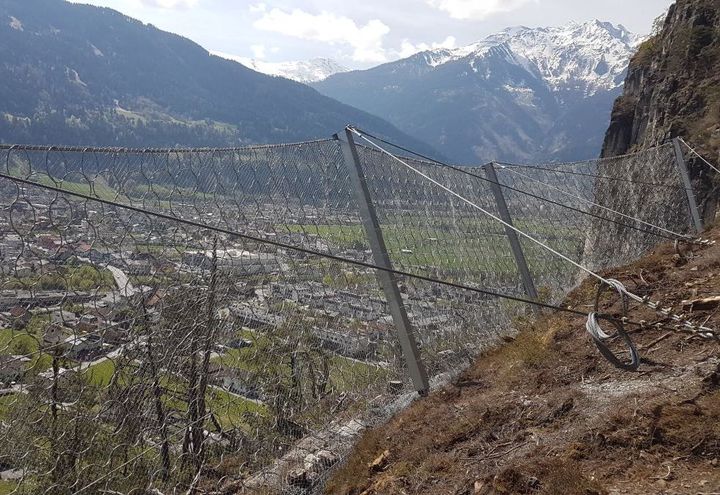
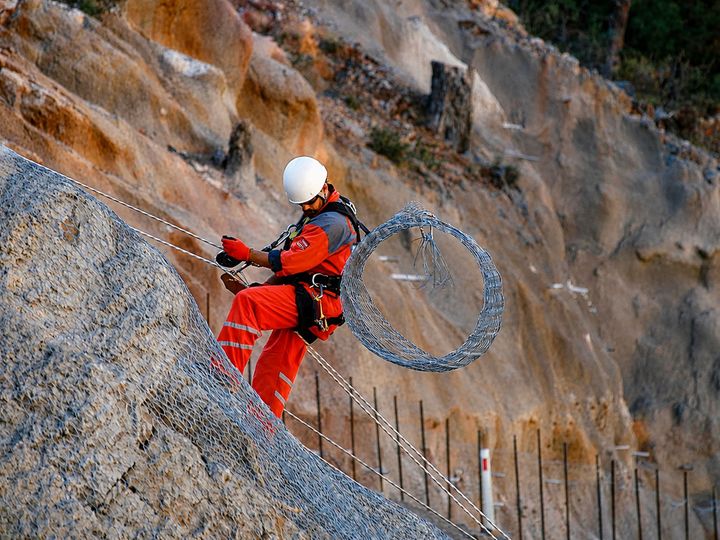
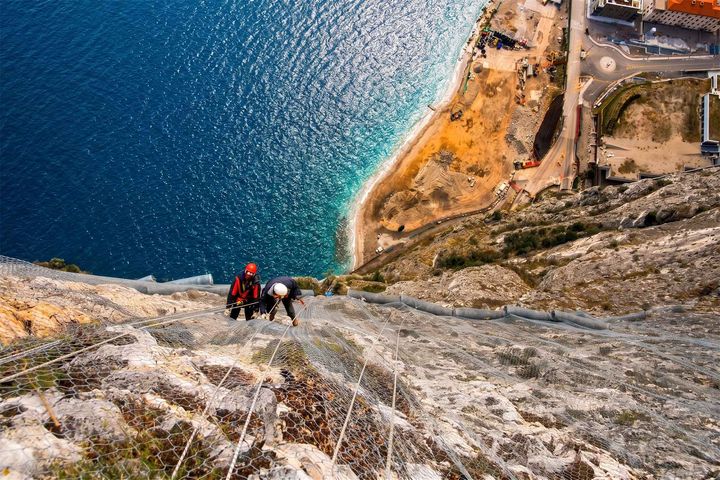
Maccaferri DT Mesh ist eine Hauptkomponente unseres MacRO-Anwendungsbereichs Steinschlagschutz und Schutz vor Naturgefahren. Es ist eines aus einer Reihe von Netzsystemen, die nach unserer Analyse der Projektbedingungen und Kundenanforderungen ausgewählt werden. Unser seit über 50 Jahren verwendetes DT-Geflecht wird aus unserem doppelt verdrillten, sechseckigen Stahldrahtgeflecht hergestellt und als Schutznetz verwendet, um das Herabfallen von Steinen und Schutt auf Straßen und Schienen zu verhindern. Aufgrund der Eigenschaften der doppelten Verdrillung kann das Stahldrahtgeflecht der Durchschlagskraft von herabfallenden Steinen standhalten, ohne sich im Falle eines Drahtbruchs zu öffnen.
DT Mesh wird aus hochwertigem Stahldraht hergestellt, der stark verzinkt ist, um einen langfristigen Korrosionsschutz zu gewährleisten. Bei Netzen, die in aggressiveren Umgebungen eingesetzt werden sollen oder bei denen eine längere Lebensdauer erforderlich ist, wird eine zusätzliche Polymerbeschichtung aufgebracht. Unser DT-Geflecht wird in unseren Fabriken auf der ganzen Welt hergestellt. In ausgewählten Fabriken werden die Geflechte in Übereinstimmung mit der Bauproduktenverordnung 305/2011 hergestellt und verfügen über eine CE-Kennzeichnung in Übereinstimmung mit der ETA-16/0758. Das Management- und Produktionssystem ist nach ISO 9001 und ISO 14001 (in Bezug auf das Umweltmanagementsystem) zertifiziert.
Bitte wenden Sie sich an Ihre lokale Maccaferri-Vertretung, um Einzelheiten über die Einhaltung der Vorschriften und die Zertifizierung in Ihrem Land zu erfahren.
Erfolgsgeschichten
Gebaut, nicht nur gezeichnet
Mehr entdecken
BEAVERNETTING EVERTSOORD
A thriving beaver population is threatening the stability of the Netherlands' sea defences. The Mammal Society has brought together other wildlife groups to work out how to protect these important water-blocking dykes from the small but potentially destructive semi-aquatic rodents. Beavers play an important ecological role in the Netherlands and were initially brought in to increase biodiversity. The beaver-breeding program began in 1988, and since then the beaver population has grown exponentially. There are now an estimated 700 beavers residing in the country's streams and canals. Triumphant mating habits combined with the beavers' ability to breed so successfully in the Dutch countryside mean they have been moving beyond the southern province of Limburg and entering towns and cities that may not be prepared for the influx. With the Dutch beaver population expected to hit around 7,000 by 2032, the need to take pre-emptive action is now a very important theme.
Mehr entdecken
HELMHOLTZ-ZENTRUM BERLIN ADLERSHOF
The University Campus in Berlin-Adlershof is well known for the many research institutions present in its area. One of those is the HZB Helmholtz - Zentrum Berlin, where a prototype of a linear accelerator with energy recovery is placed. In this building, electrons are accelerated to almost the speed of light using a great deal of energy. After passing through a high-speed path, the electrons are to be recaptured in bERLinPro and their energy recovered. Therefore the hall is protected by a reinforced soil structure made with the wrap-around system. In the last times, some foxes started to dig and excavate tunnels inside the embankment, creating some instability problems.
Mehr entdecken
LÖTZGALERIE
Austria
Die viel befahrene Inntal-Autobahn vom Arlberg in Richtung Innsbruck ist eine sehr wichtige West – Ost Verbindung. Für den Bau einer neuen Galerie unterhalb von steilen Felswänden hat die ASFINAG 3000 kJ Steinschlagschutznetze geplant. Mit diesen Barrieren wird die Baustelle und die Autobahn während dem Bau geschützt.
Mehr entdecken
Vertiefung:
Drahtgeflecht
Einsatzmöglichkeiten mit
Drahtgeflecht
Anwendungen
Lösungen
Nehmen Sie Kontakt mit uns auf
[contactForm_txtSuccessSubmit]