

Biaxiale Geogitter
Bodenbewehrung zur Straßenstabilisierung
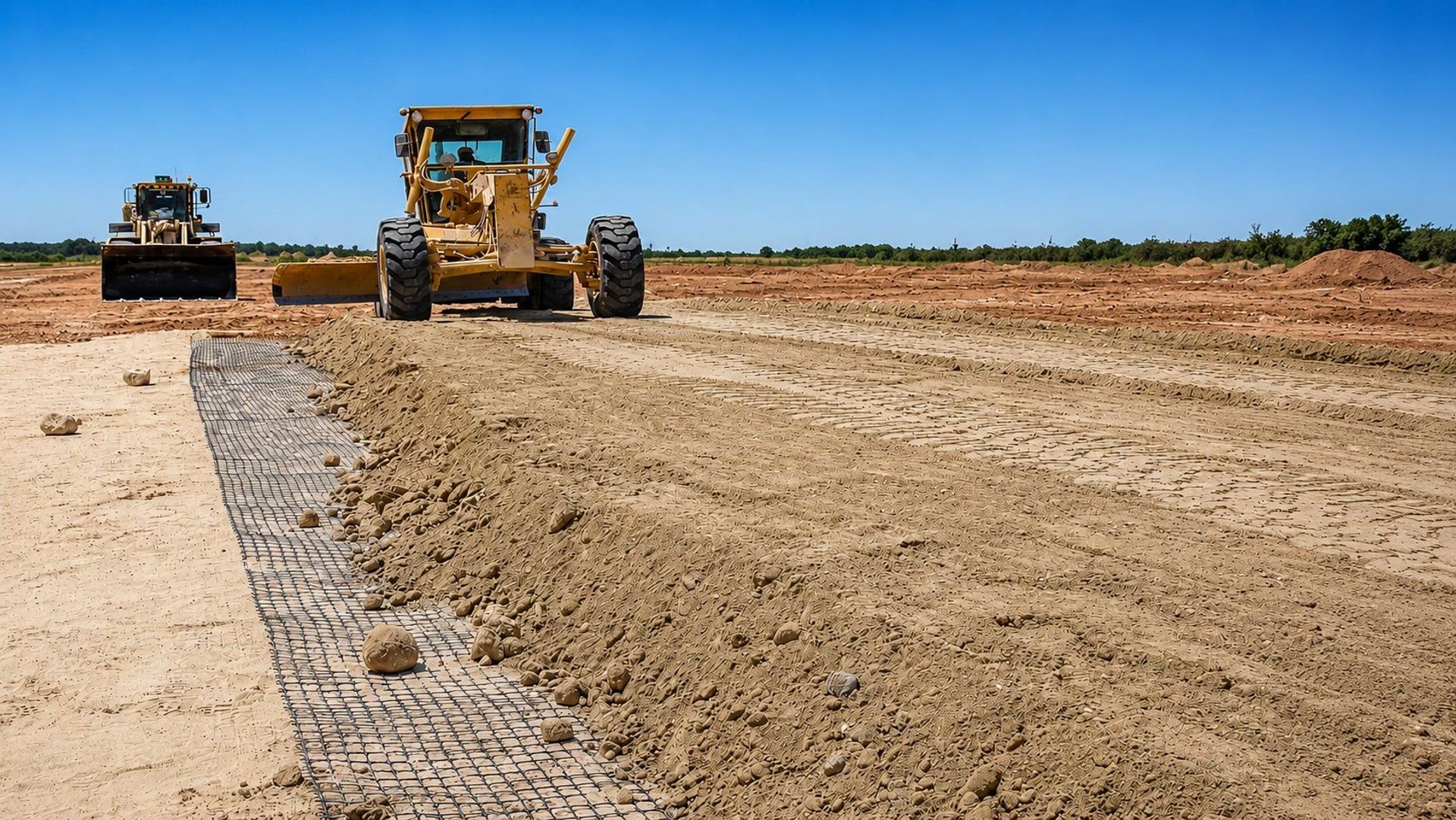
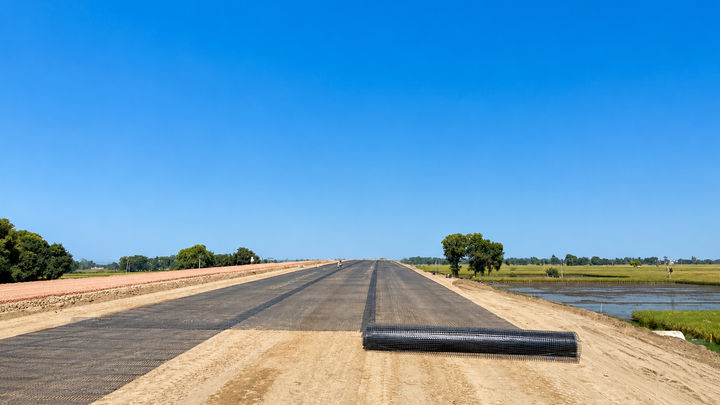
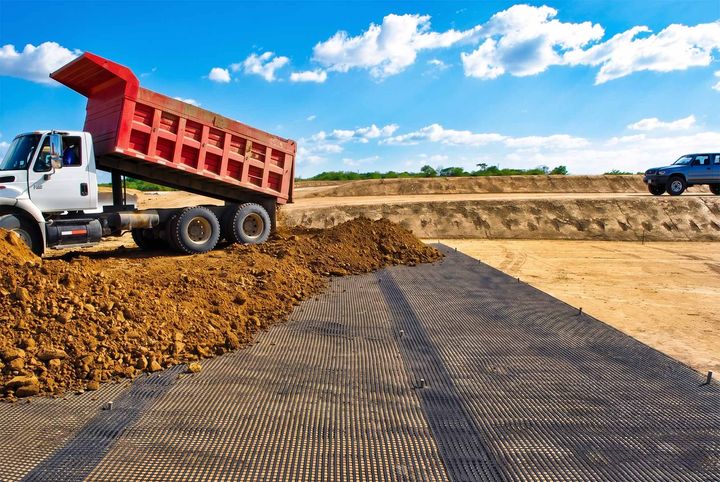
Biaxiale Geogitter werden hauptsächlich zur Bewehrung bei der Bodenstabilisierung eingesetzt. Ihre symmetrisch-mehrachsige Struktur kann die Tragfähigkeit des vorhandenen Untergrunds erhöhen und die erforderliche Festigkeit und Bewehrungswirkung gewährleisten. Die Zugfestigkeit und die Geometrie dieser Geogitter sind in der Regel symmetrisch mit Zugfestigkeiten von 20 bis 300 (oder sogar mehr) kN/m, aber es gibt auch drei- oder mehrachsige Versionen; auch das Polymer und die Öffnungsformen können je nach den Zugfestigkeitsanforderungen und den Fülleigenschaften variieren.
Das Angebot von Maccaferri umfasst verschiedene Produktfamilien:
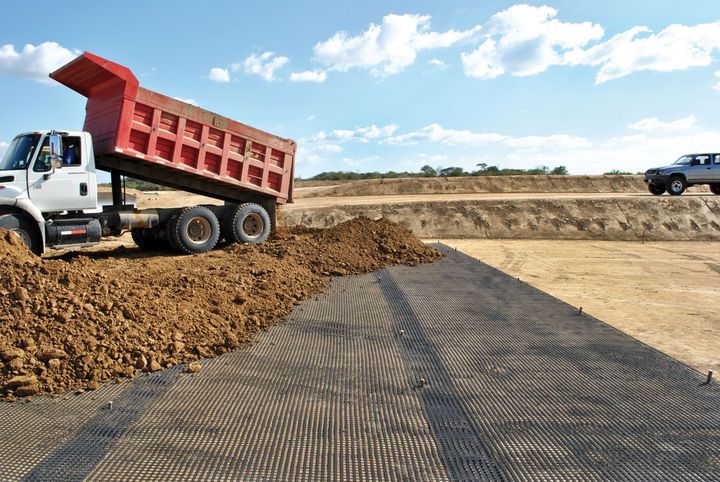
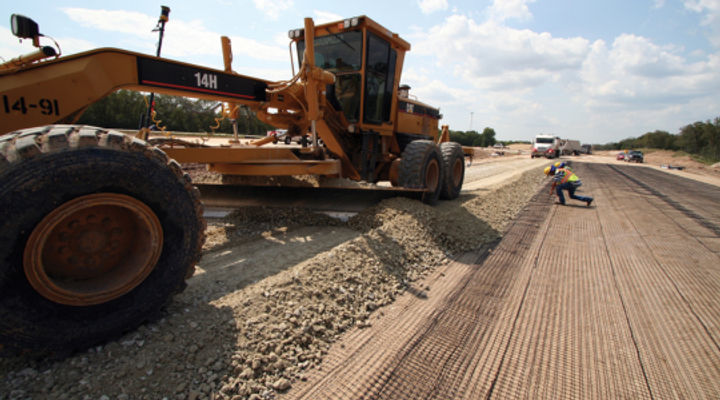
MacGrid EG
Extrudierte Geogitter aus Polypropylen mit einer symmetrischen Zugfestigkeit von bis zu 50 kN/m, die seit vielen Jahrzehnten erfolgreich ein- oder mehrlagig zur Bodenstabilisierung eingesetzt werden , sind ein wesentlicher Bestandteil vieler Kombinationslösungen.
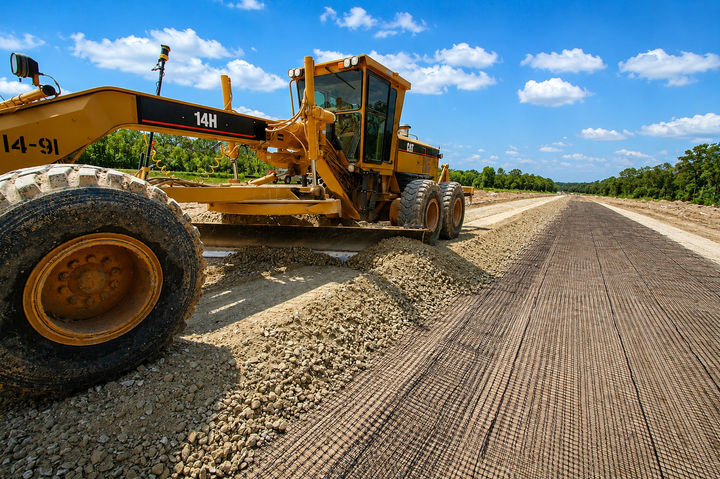
MacGrid EG-T
Auch hier handelt es sich um ein extrudiertes Geogitter aus Polypropylen, das jedoch durch eine dreieckige Form gekennzeichnet ist , um ein mehrachsiges Verhalten zu erreichen. Diese Materialien werden - wie das MG EG - in der gleichen Art von Anwendungen eingesetzt und sollen eine Weiterentwicklung der biaxialen Materialien sein .
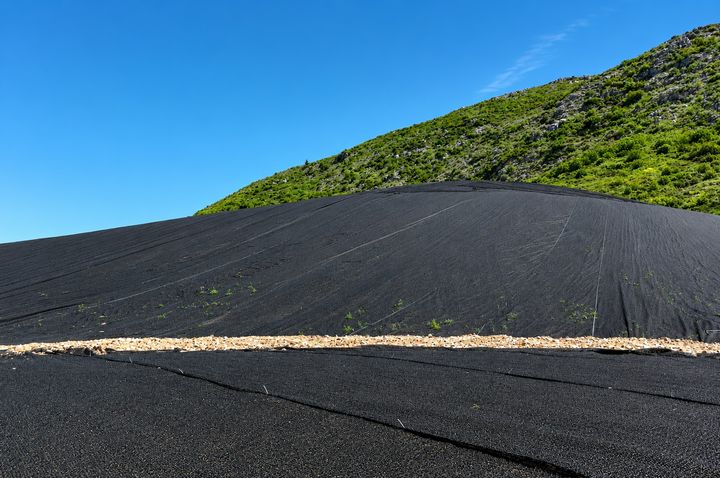
MacGrid WG-S
Hochfeste, gewobene und beschichtete PET-Geogitter sind ebenfalls erhältlich und werden für diese Art von Anwendungen verwendet, insbesondere wenn die geforderte Zugfestigkeit die Kapazität der extrudierten Produkte übersteigt; diese Produkte sind bis zu einer symmetrischen Standardfestigkeit von 300 kN/m erhältlich, können aber auf Anfrage auch bis zu 1000 kN/m angeboten werden.
Vertiefung:
Biaxiale Geogitter
Einsatzmöglichkeiten mit
Biaxiale Geogitter

Nehmen Sie Kontakt mit uns auf
[contactForm_txtSuccessSubmit]