
Siatki linowe
Sztywna siatka chroniąca przed obrywami skalnymi
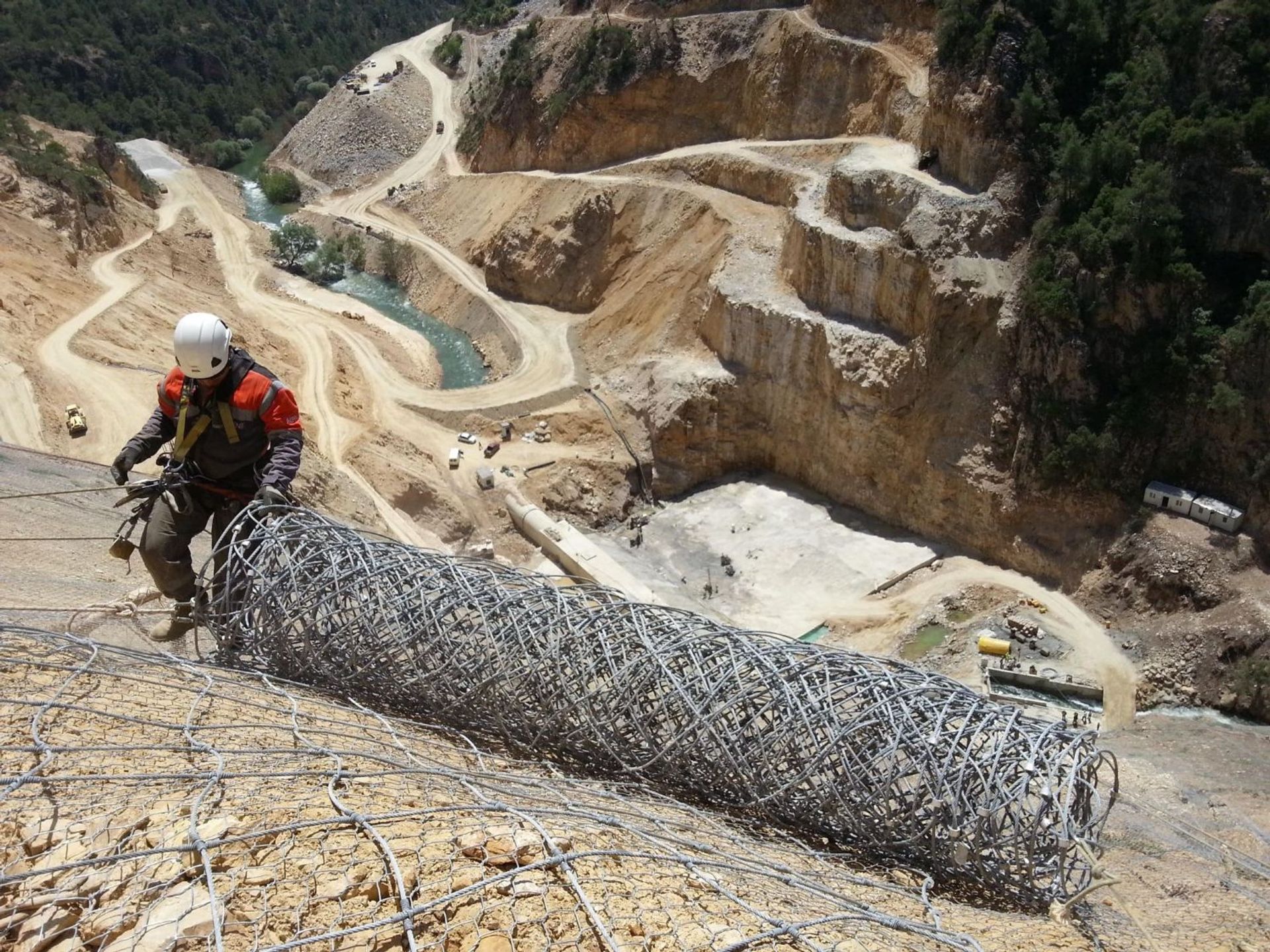
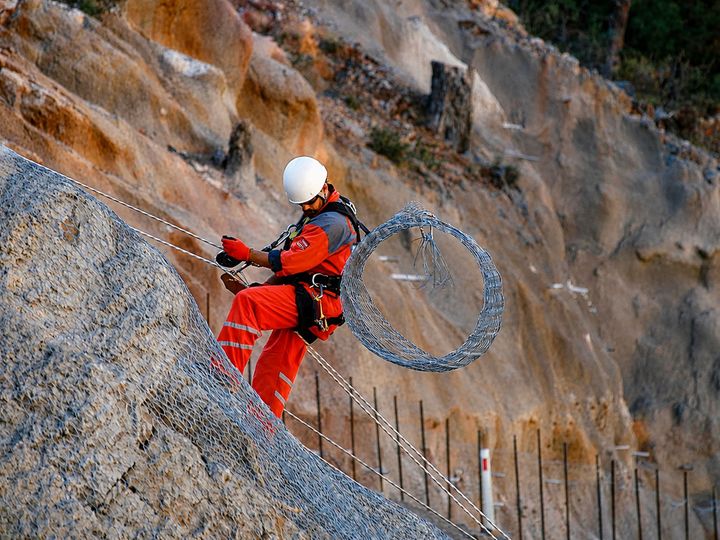
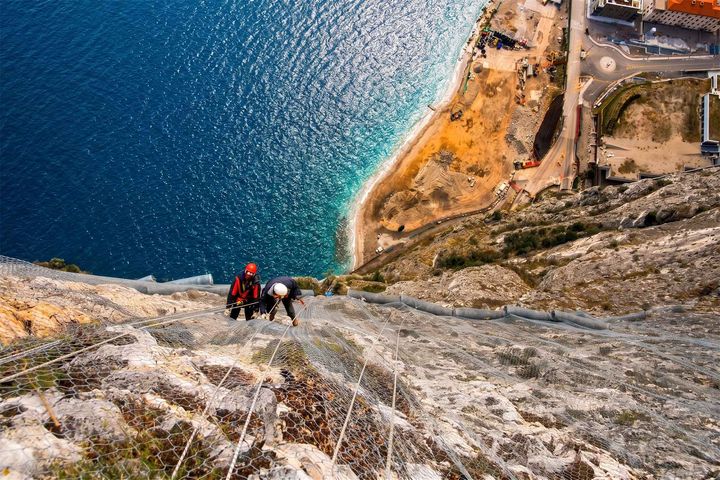
Panele linowe HEA (High Energy Absorption) to najsztywniejszy produkt wśród gamy siatek systemu Mac.RO oferujący wyjątkową wytrzymałość przy niskim naprężeniu. Sztywność siatki jest w tym przypadku ważniejsza niż jej wytrzymałość na rozciąganie, ponieważ to ona decyduje o odkształcaniu się systemu pod wpływem obciążeń.
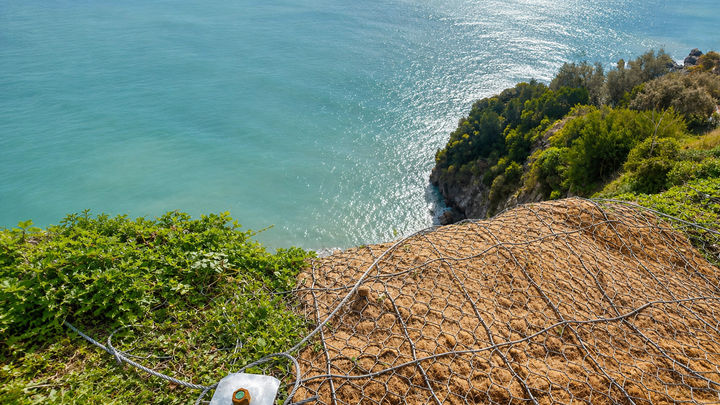
Panele HEA są splatane z jednego odcinka długiej, wytrzymałej na rozciąganie liny, łączonej w miejscach przecięcia opatentowanym podwójnym węzłem HEA. W przeciwieństwie do siatek linowych o pojedynczym splocie, panele HEA odznaczają się wyjątkową wytrzymałością na naprężenia i obciążenia oraz odpornością na deformację.
Panele HEA używane są w kurtynach kotwionych , gdzie szczególnie potrzebne są duża wytrzymałość i niska odkształcalność. Panele HEA działają wieloosiowo, dlatego też obciążenia przenoszone są na zakotwienia zaczepione w zboczu niezależnie od ich rozmieszczenia. Dostępne są również panele HEA wykonane z lin powlekanych polimerem, do stosowania w trudnych warunkach środowiska. Opatentowany węzeł HEA to dwa wiązania, z których każdy składa się z dwóch zapętlonych drutów stalowych o średnicy 3 mm, powlekanych stopem cynkowo-aluminiowym (5%) GalMac. Oba wiązania szczelnie przylegają do przecinających się lin. Panel HEA o kwadratowych oczkach wykonany jest z jednego odcinka liny, z końcami zaciśniętymi aluminiową tuleją zgodnie z normą EN 13411-3.
Historie Sukcesu
Zbudowane, nie tylko narysowane
Odkryj więcej
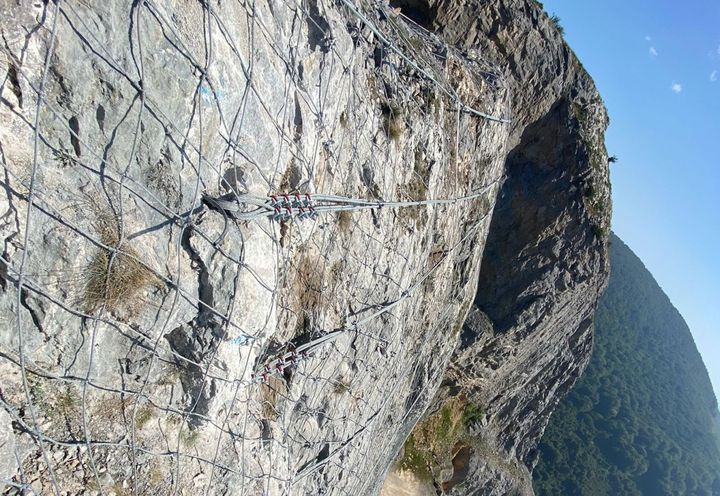
CANTERA ZIORDIA
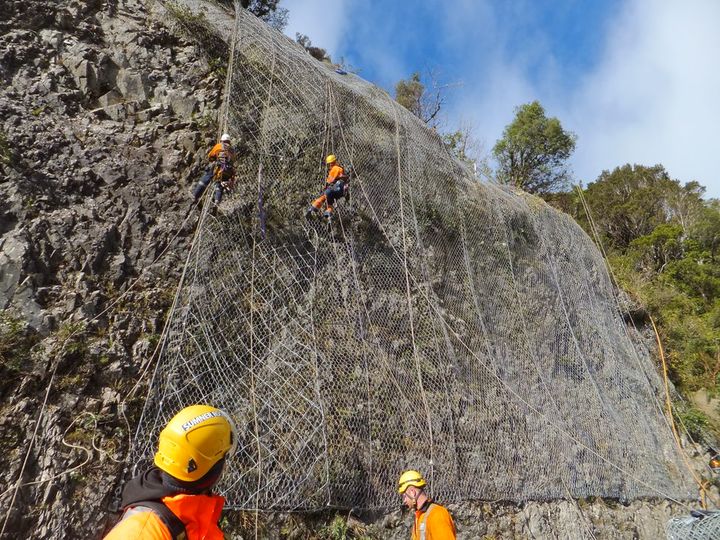
The Ziordia quarry has an orography formed by limestone rock, with steep slopes as a result of quarrying, and potentially unstable large blocks. The company CRS Ingeniería contacted Bianchini Ingeniero to analyse the situation and possible solutions, and subsequently the company Inaccés Geotècnica Vertical also intervened. One of the main risks was the blocks that could fall from a 40-metre-high, 15-metre-wide mochón, located on one of the quarry's usual passageways. This represented a potential risk for the installations and the workers themselves. Therefore, a series of actions were carried out to stabilise these blocks and protect the area.
Odkryj więcej
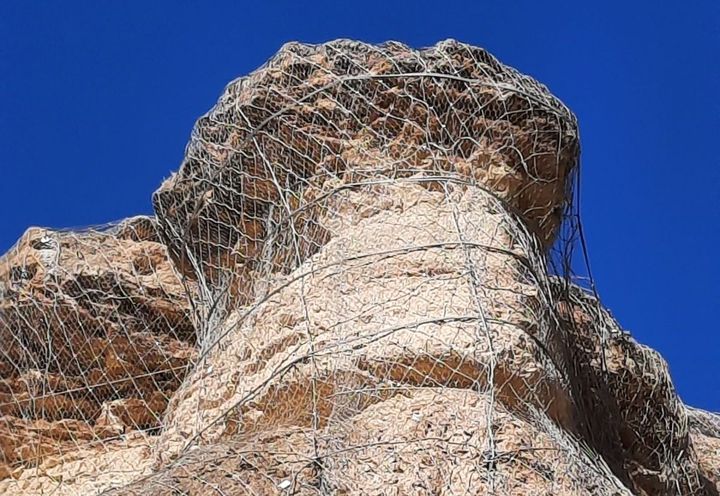
PRESA FRANCISCO ABELLÁN
Spain
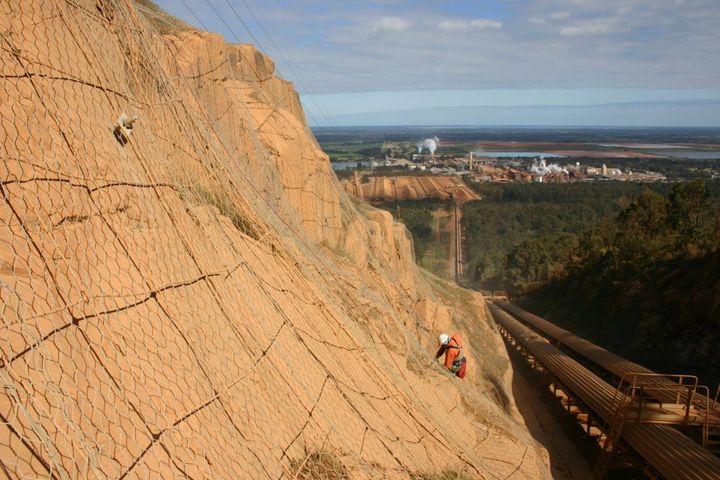
The Francisco Abellán reservoir is located near the town of Lopera, in the center of the province of Granada. It is fed mainly by the tributary of the river Fardes, which in turn is fed by the river Guadiana Menor and covers an area of 1847. 40 km2. The reservoir contains Miocene sedimentary materials such as sandstones, marlstones and calcarenites. In the extreme north-east, there is an alternation of these three materials and two problems: The first is in the upper sandstone bench due to the presence of unstable blocks, some of them of large size. The second problem is in the lower bank, where unstable blocks and roofs are also observed as a result of differential erosion. On the other hand, on the northwest slope (NW) there is access to the monitoring station which is unprotected against falling rocks.
Odkryj więcej
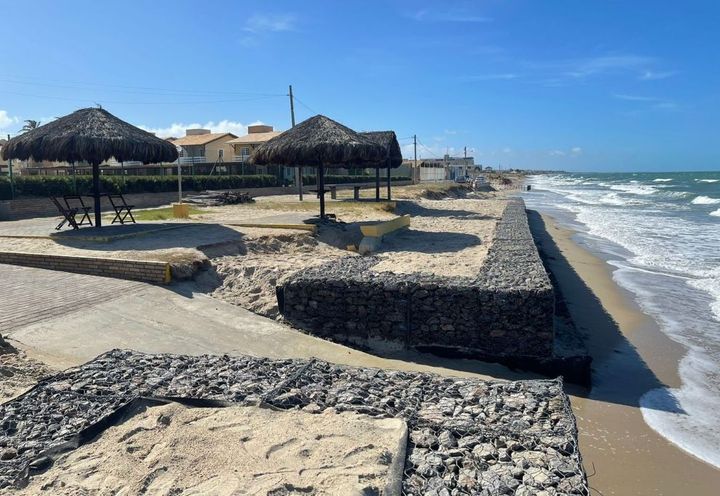
PROTEÇÃO COSTEIRA COM GABIÕES
Brazil
The sea waves were eroding the seafront in front of the condominium, where the development's leisure area and access ramp are located. These erosions have caused problems getting around and accessing the property.
Odkryj więcej
Zagłęb się w
Siatki linowe
Co możemy zrobić z
Siatki linowe
Skontaktuj się z nami
[contactForm_txtSuccessSubmit]