
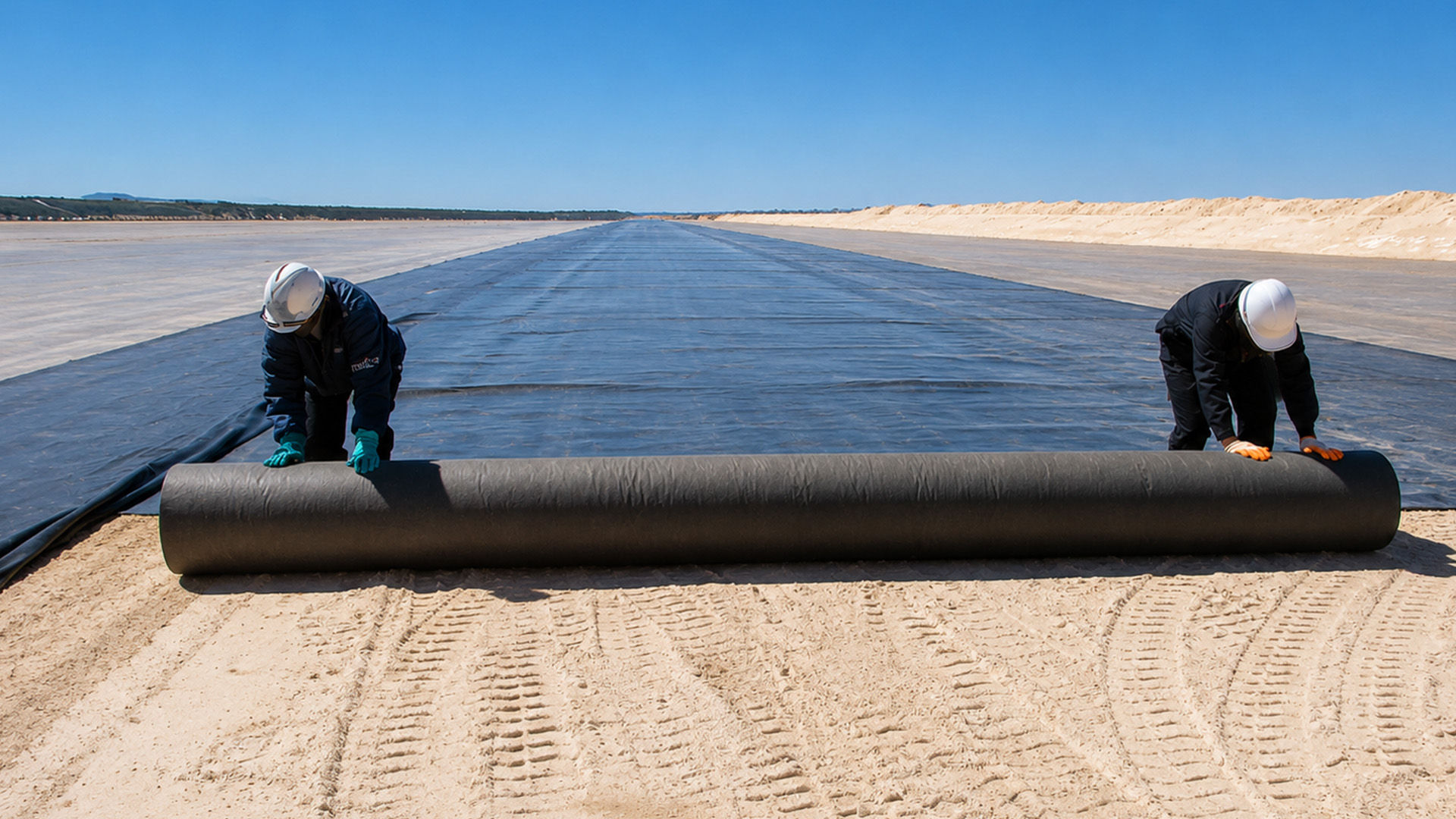
Nonwoven Geotextiles
Versatile Solutions for Separation, Filtration, and Protection
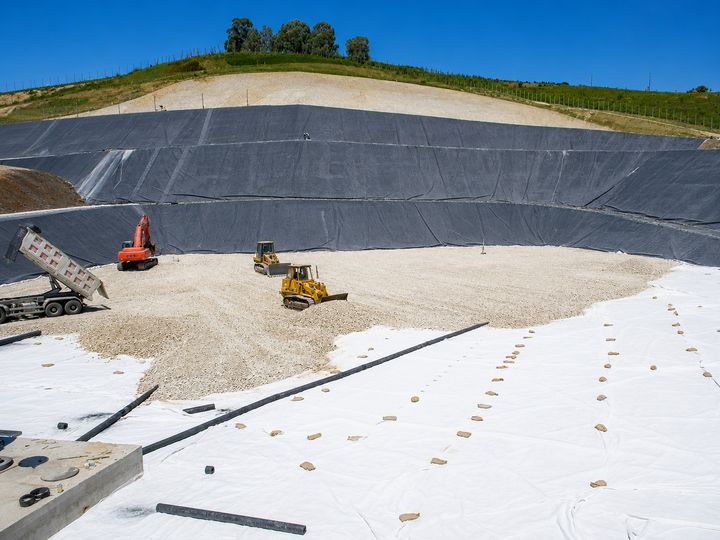
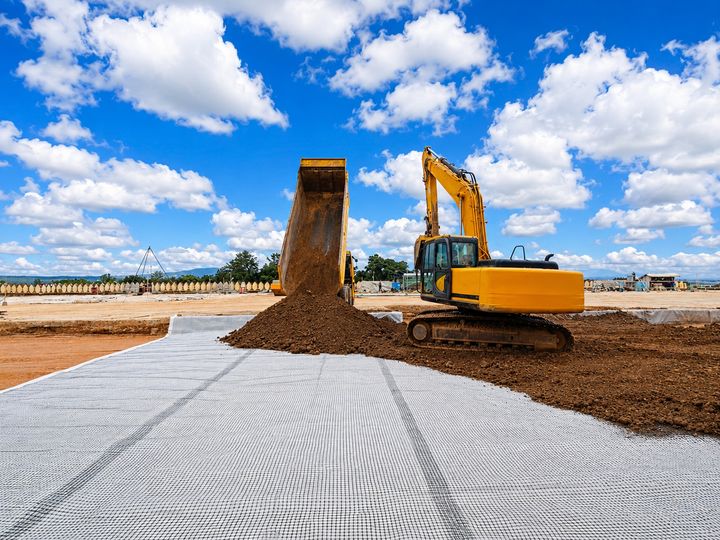
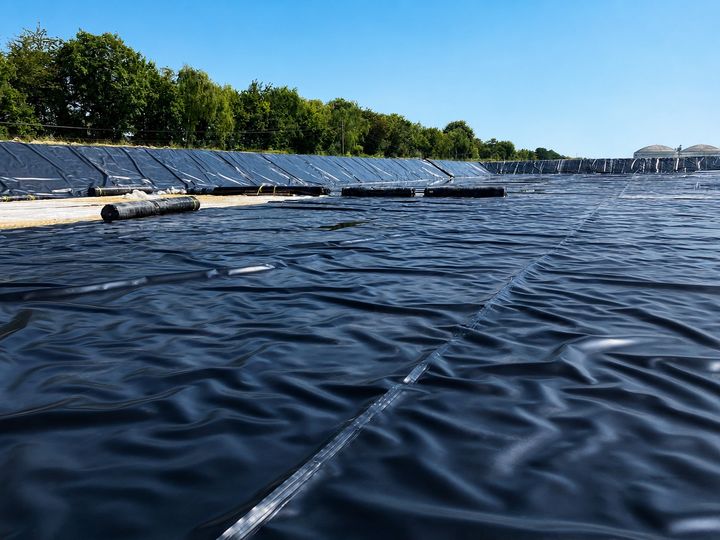
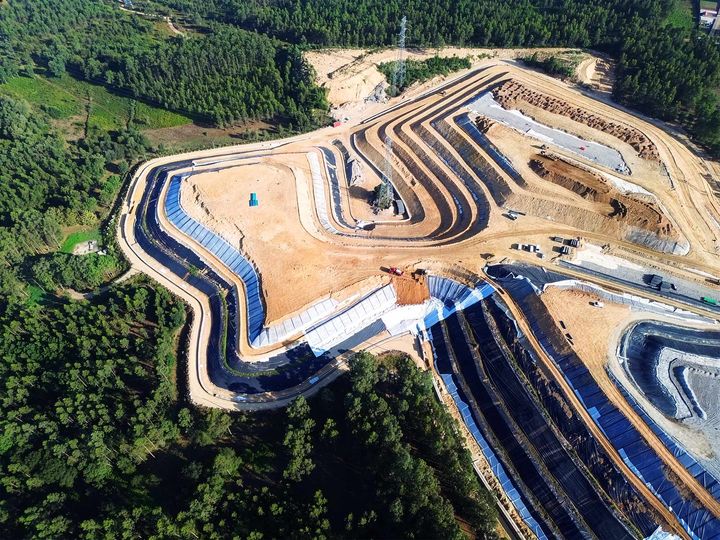
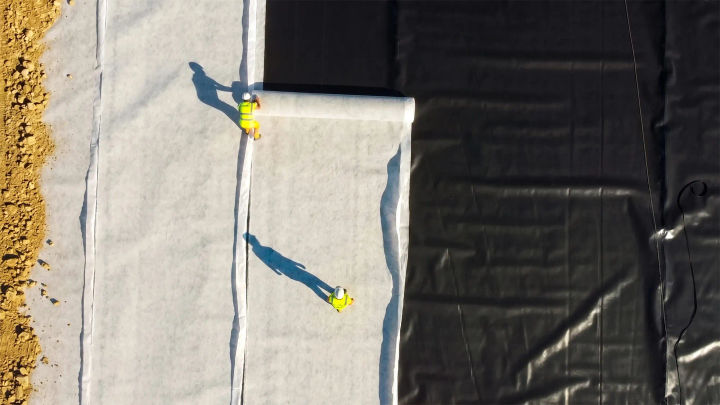
Nonwoven geotextiles are flat textile structures made from synthetic fibers, assembled through advanced needle-punching or thermal bonding processes. Known for their versatility and reliability, these materials are widely used in various applications to provide separation, filtration, and protection functions. Nonwoven geotextiles are also fundamental components in composite systems, combining seamlessly with other geosynthetics to enhance overall performance in complex projects.
With a focus on quality and performance, nonwoven geotextiles can be tailored based on fiber length, polymer composition, and manufacturing processes, ensuring compatibility with a wide range of project requirements. Leveraging Maccaferri’s extensive expertise, these geotextiles are trusted for infrastructure, hydraulic construction, environmental protection, and civil engineering projects worldwide, offering durable and cost-effective solutions for demanding applications.
Success Stories
Built, not just drawn
Discover more
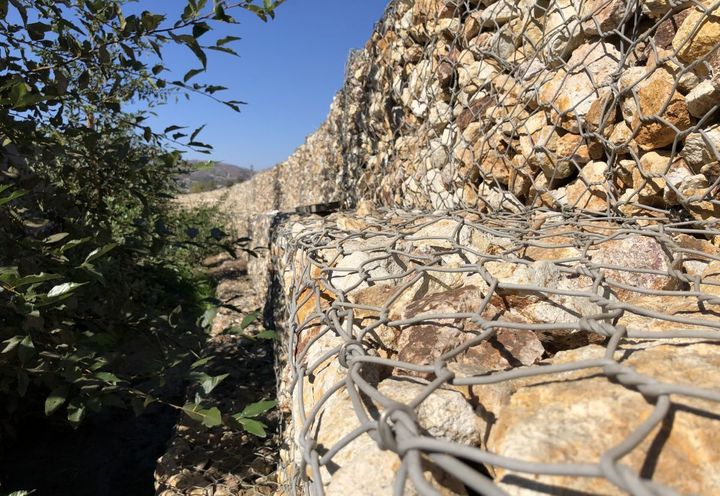
"THE FARM" AT SATICOY CHANNEL IMPROVEMENTS
United States
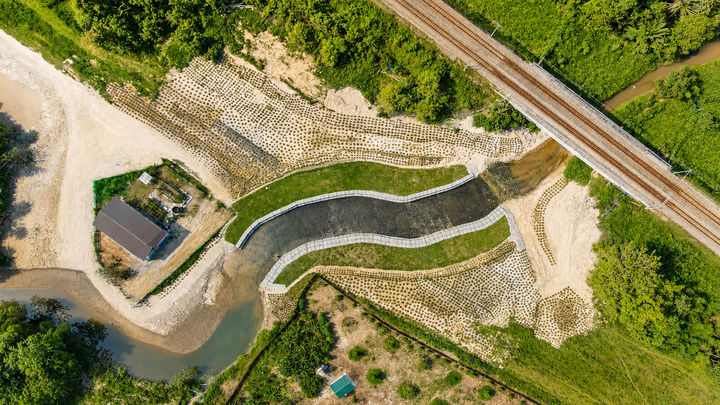
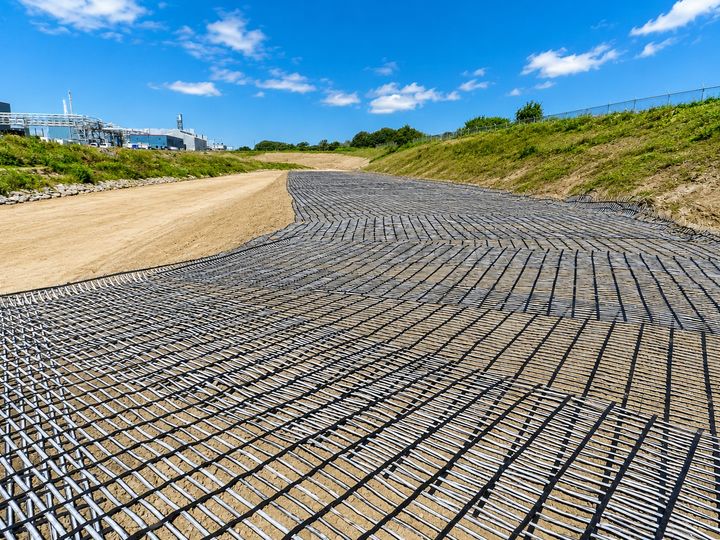
"The Farm" is a new master plan community on the east end of Ventura, California. It consists in a new townhouse development located in Saticoy, an unincorporated community in a rare, rural setting among fields of flowers and citrus orchards. The development extends between South Saticoy Ave. and Blackburn Road, and from Telegraph Road to Los Altos Street. Due to the new construction of the development, paved roads and urbanization of the area, a new drainage system was required to collect and control the waters during rains and flood events. The primary project challenge was finding a technically sound solution able to stand the water velocities into the channel preventing soils from been eroded, able to withstand potential differential settlements and trying to maintain a natural aesthetic look.
Discover more
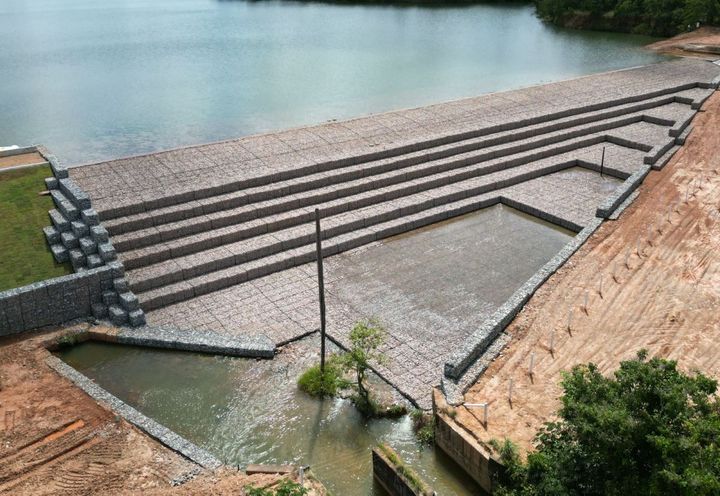
BARRAGEM CAMPEIRA - CRISTALÂNDIA
The Campeira Dam is responsible for supplying water to the city of Cristalândia (TO) for most of the year. A few years ago, after intense periods of rainfall, the dam's spillway, which was 7 metres wide, was not sufficient to release all the excess water from the reservoir, causing it to overflow and consequently the erosion of the shoulders and the dam's structure to be compromised.
Discover more
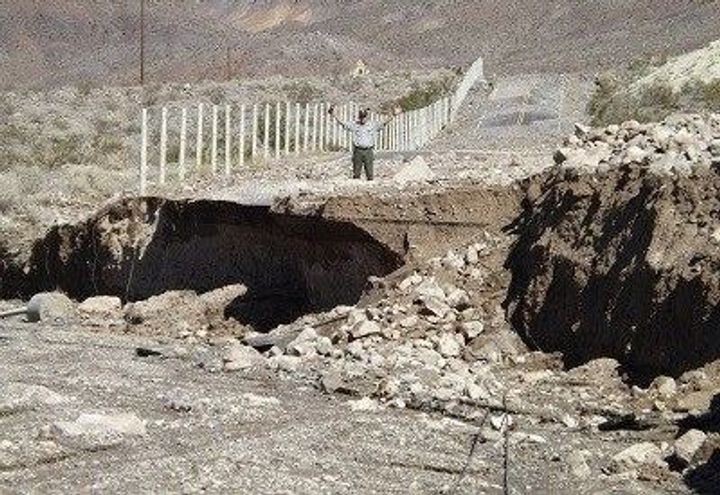
CA ERFO DEVA 11(1) BONNIE CLARE ROAD
United States
On October 18, 2015, a storm caused extensive flash flooding in Grapevine Canyon and Scotty’s Castle area, in northern Death Valley National Park. This area averages only four inches of rain per year, but over three inches or rain hail had fallen in a five hour period. Floodwaters ran at 3,000 cubic feet per second, cutting deep channels, destroying roads, and depositing mud up to four feet deep in and around buildings at Scotty's Castle Area. Over 20 power poles and a mile of concrete fence posts were washed away. The flood ripped up sections of the road to Scotty's Castle. Debris piled up around buildings and covered the parking ad picnic areas. The 2015 flood at Scotty's Castle was exceptional. Nothing like it has occurred in the hundredyear history of the site. With the challenge of working in a remote area impacting costs, the park sustained $50 million in damages.
Discover more
Deep dive into
Nonwoven Geotextiles
What we can do with
Nonwoven Geotextiles

Solutions
Get in touch with us
[contactForm_txtSuccessSubmit]