


PET Woven / Composite Geotextiles
Reinforcement and Filtration Solutions for Soft Soils
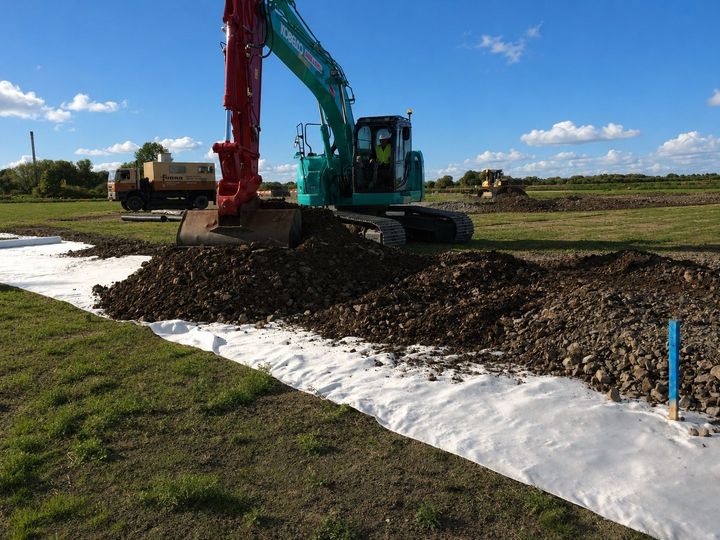
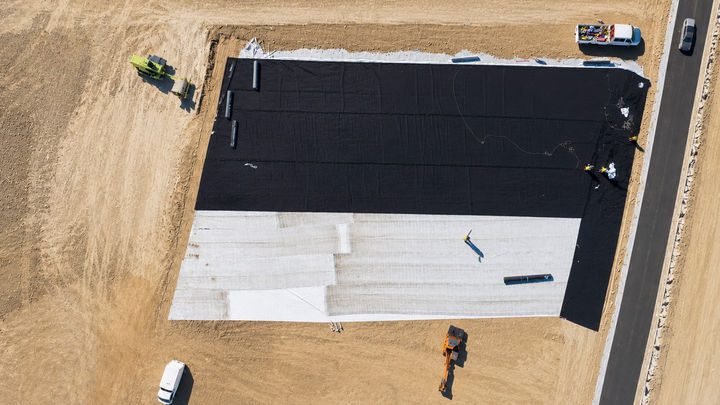
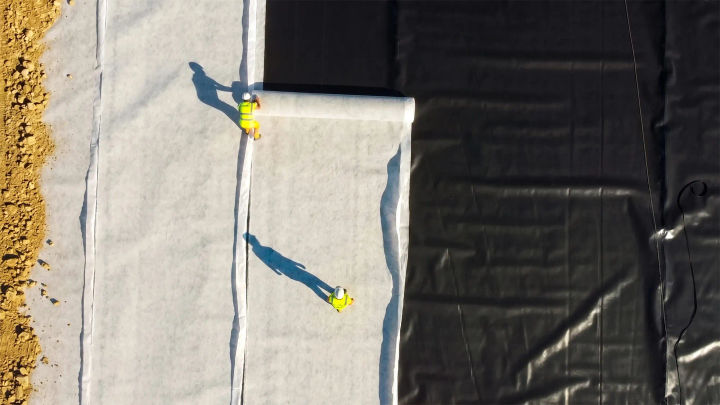
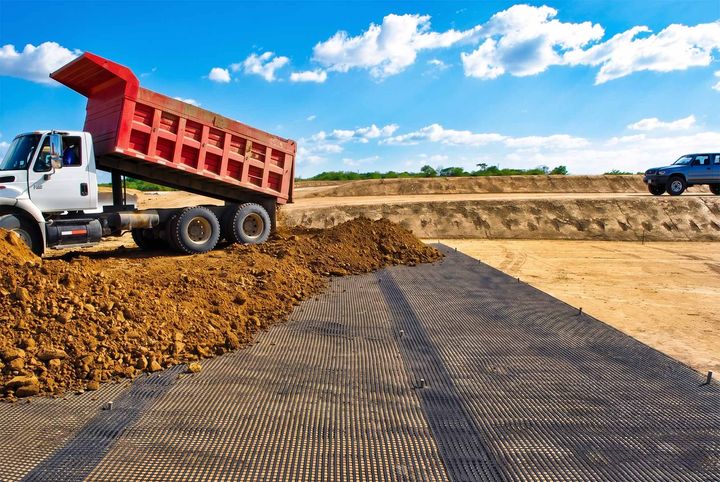
PET woven geotextiles are engineered using advanced textile equipment that weaves high-strength PET yarns into a durable fabric. These products are available as woven textiles like MacTEX® W2 or as composites that combine a filtering-separation nonwoven geotextile with a fabric (Directional Oriented Structure). This composite design merges reinforcement and separation/filtration functions in a single solution, making these geotextiles ideal for soil stabilization and reinforcement applications.
PET woven and composite geotextiles are highly effective on fine soft soils, where we can expect limited damaging effects of granular materials or chemical aggression. Leveraging Maccaferri’s expertise, these geotextiles deliver reliable performance in infrastructure, and road construction, ensuring long-term stability, durability, and cost-efficiency in demanding applications.
Success Stories
Built, not just drawn
Discover more
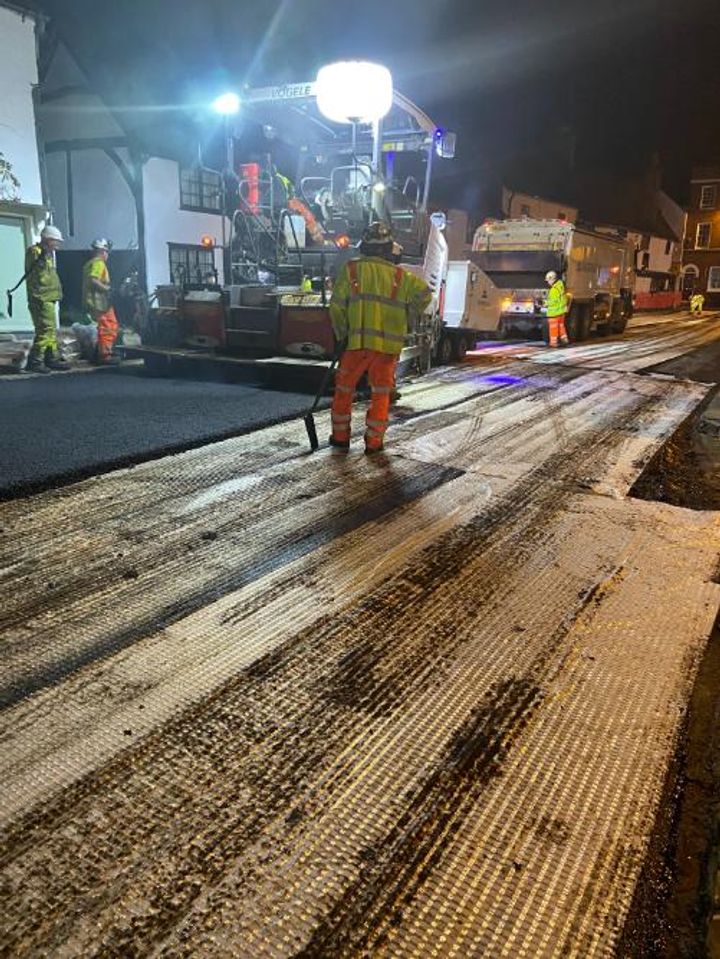
Asphalt Reinforcement in Henley-on-Thames Extending Pavement Life on New Street with Mactex C7 10s
United Kingdom
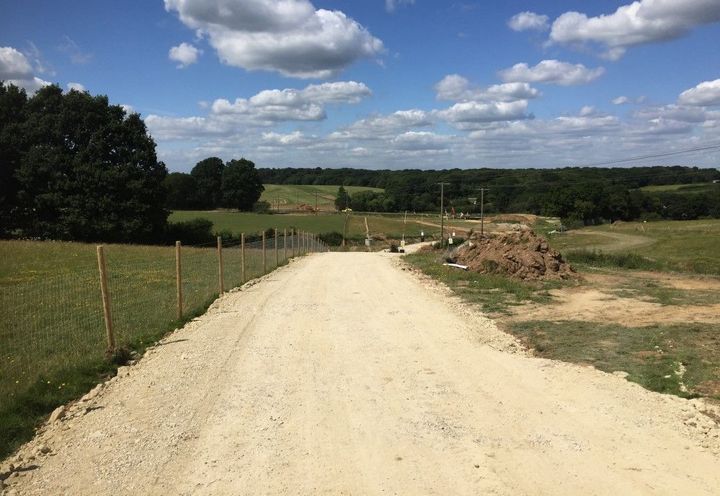
North Bexhill Access Road Geogrid Working Platform & Embankment Solution
United Kingdom
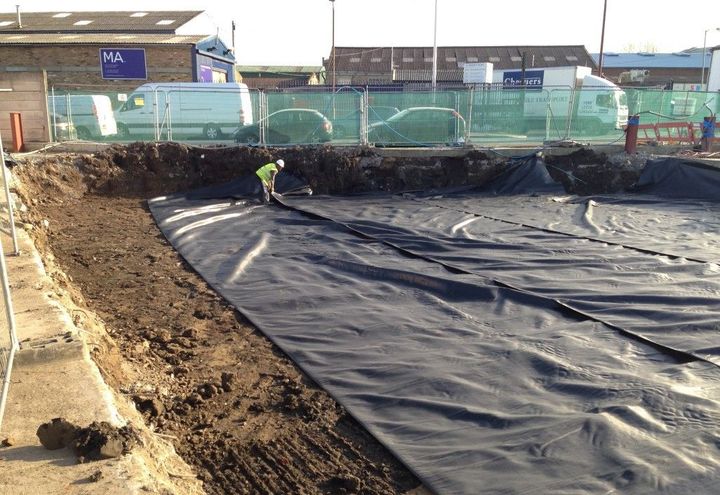
Rotherhithe New Road Development Geotextile Piling Mat Solution for Soft Clay Foundations
United Kingdom
Asphalt Reinforcement in Henley-on-Thames Extending Pavement Life on New Street with Mactex C7 10s
United Kingdom
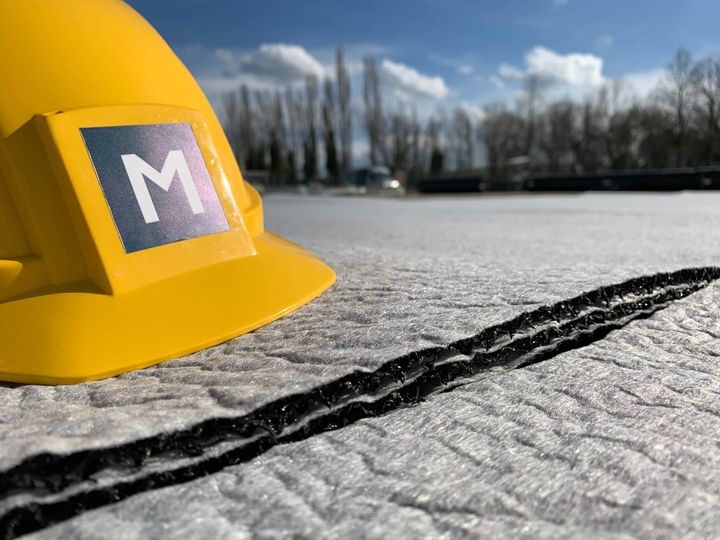
New Street in Henley-on-Thames is a key transport route, connecting the northwest of the town across Henley Bridge over the River Thames դեպի the eastern side. As one of the main arterial roads, it is subjected to consistently heavy traffic loads, leading to accelerated wear and deterioration of the carriageway. The road is historically significant and constrained by stone setts along both sides, which limit reconstruction options and require a sensitive yet effective pavement rehabilitation approach. By July 2022, the asphalt surface had reached a critical condition, with extensive failure requiring urgent carriageway maintenance. Oxfordshire County Council initiated resurfacing works but identified a major risk associated with standard asphalt overlays, reflective cracking. Without intervention, cracks from the underlying layers would propagate through the new surface, reducing pavement life and increasing long-term maintenance costs. To address this, the Council sought a proven asphalt reinforcement solution capable of extending pavement lifespan and improving performance under heavy traffic conditions.
Discover more
North Bexhill Access Road Geogrid Working Platform & Embankment Solution
United Kingdom
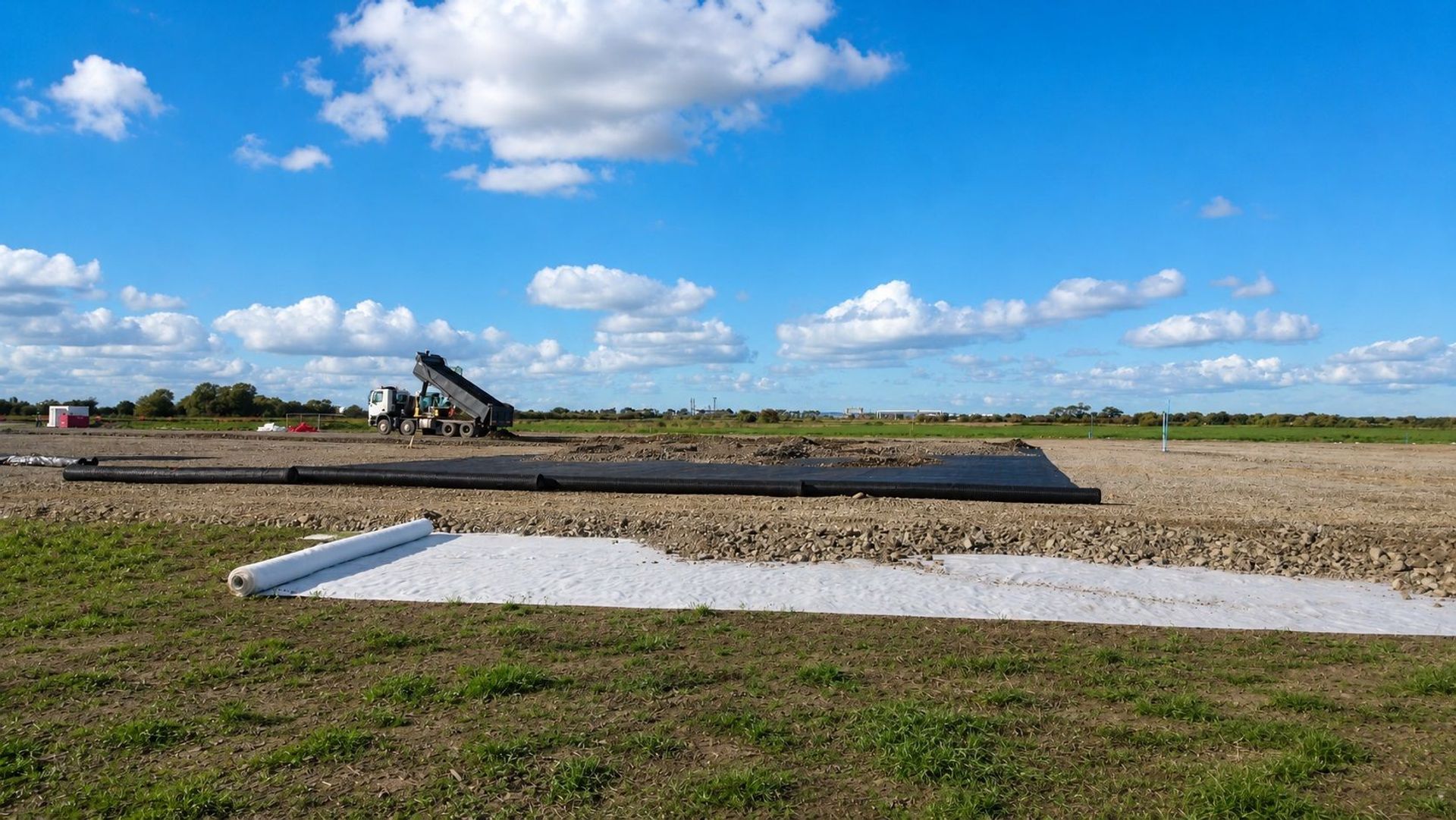
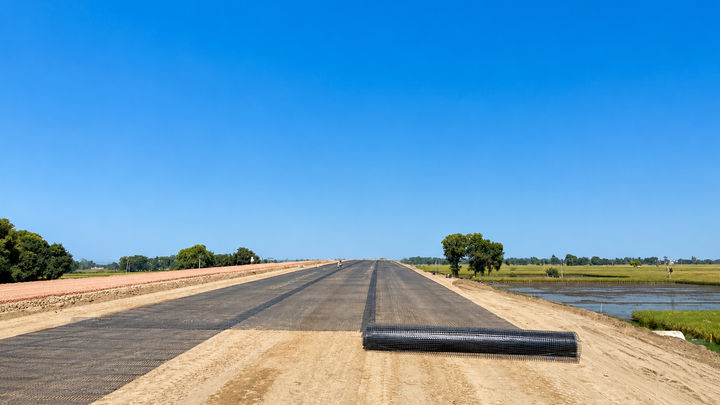
The North Bexhill Access Road is a 2. 4 km single-carriageway infrastructure project located in East Sussex, South East England. Designed to unlock future employment land and stimulate economic and housing growth around Bexhill-on-Sea, the scheme represents a critical investment in regional development. Construction began in July 2016, progressing in phases with completion targeted for late 2018. A key engineering challenge on the project was the construction of road embankments over weak and highly variable ground conditions. In Phase 1, completed in winter 2016, the embankment was founded on soft soils and required basal reinforcement using high-strength uniaxial geogrids (Paralink) to ensure long-term stability. Phase 2 introduced even more complex geotechnical conditions, with deep alluvial deposits and peat lenses present across the site. To address these issues, the embankment design incorporated ground improvement columns combined with a Paralink geogrid acting as a load transfer platform, enabling the safe distribution of loads over compressible soils. In addition to embankment construction, the project required the safe operation of heavy construction plant, including mobile cranes and piling rigs. This created a demand for robust temporary haul roads and working platforms capable of supporting high loads without excessive settlement or failure. The underlying soil profile, consisting of soft-made ground, silty clay, alluvium, and peat layers extending to depths of over 8 metres, posed significant risks to construction safety and programme delivery.
Discover more
Rotherhithe New Road Development Geotextile Piling Mat Solution for Soft Clay Foundations
United Kingdom
Telford Homes acquired the Rotherhithe New Road site for £19 million to deliver a major educational development in London, including a new Southwark Free School and a sixth-form centre for the City of London Academy. Scheduled for completion in 2018, the project required careful ground engineering due to challenging subsoil conditions. The site is characterised by soft clay, which presents low bearing capacity and a high risk of settlement. These ground conditions necessitated the use of a pile foundation system to ensure structural stability. However, constructing a traditional granular piling mat over weak subgrade would typically require significant thickness, increasing construction costs, material usage, and programme time. The contractor therefore required a more efficient ground improvement solution that could enhance load distribution while reducing the thickness of the working platform.
Discover more
Deep dive into
PET Woven / Composite Geotextiles
What we can do with
PET Woven / Composite Geotextiles


Get in touch with us
[contactForm_txtSuccessSubmit]