
PET Woven / Composite Geotextiles
Reinforcement and Filtration Solutions for Soft Soils
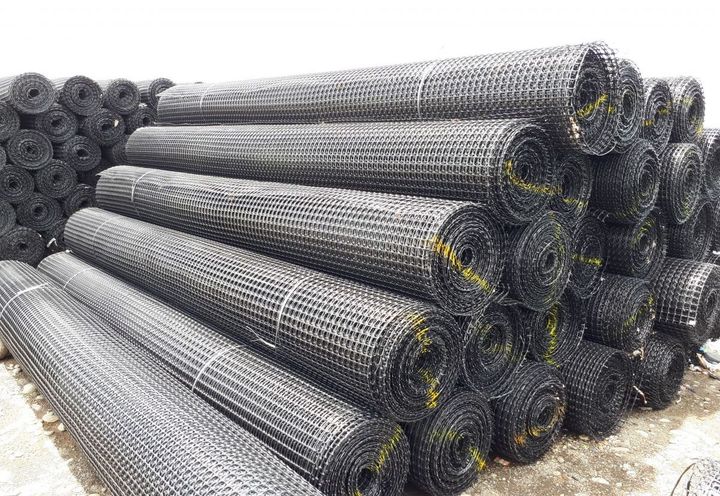
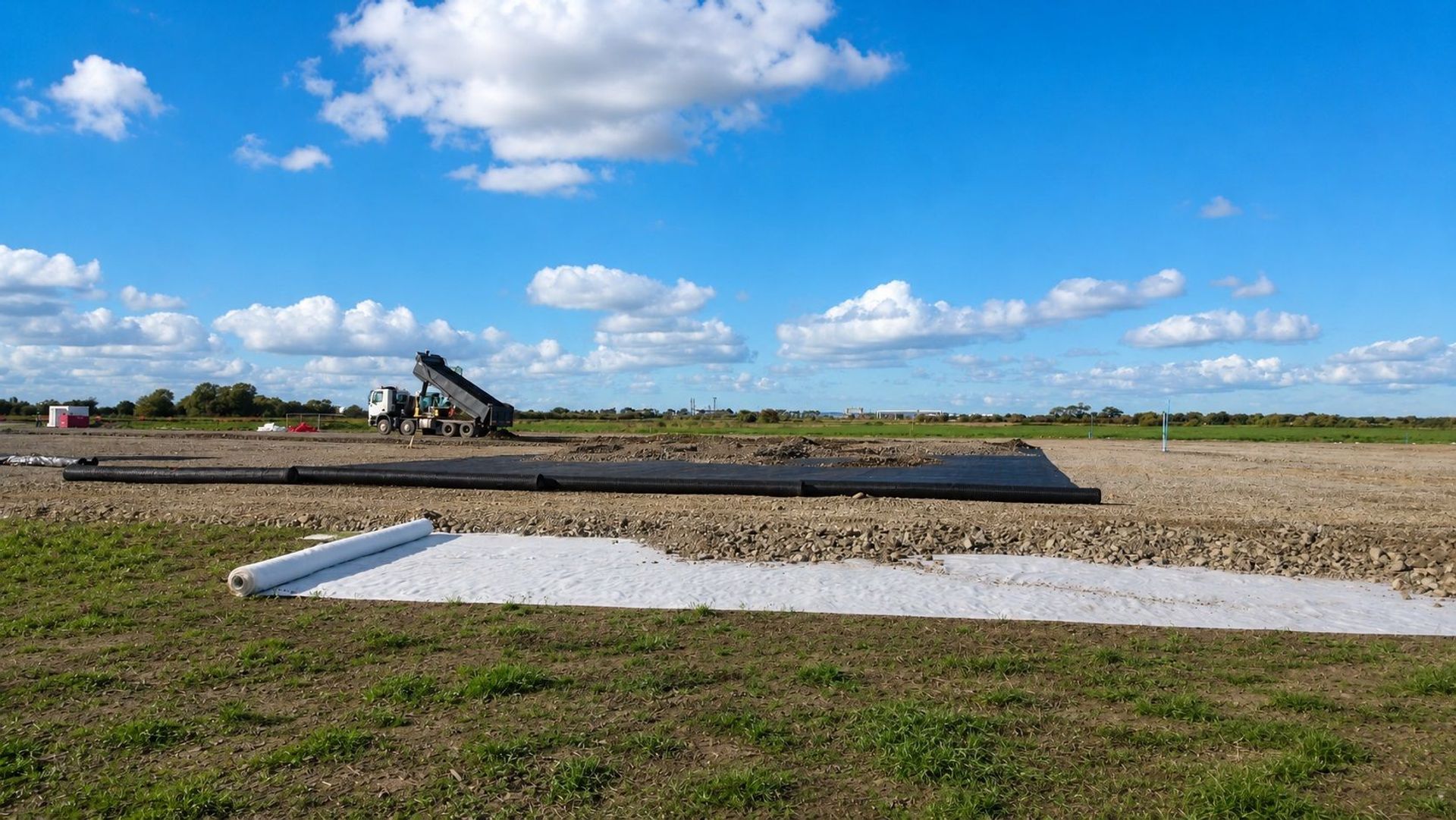
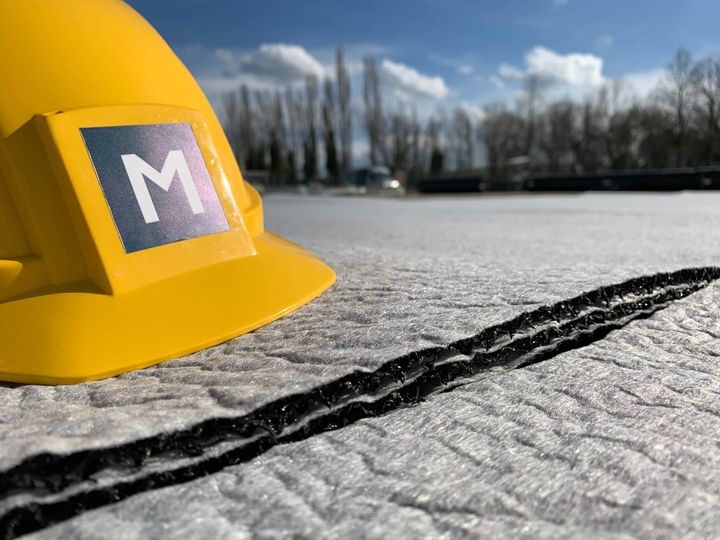
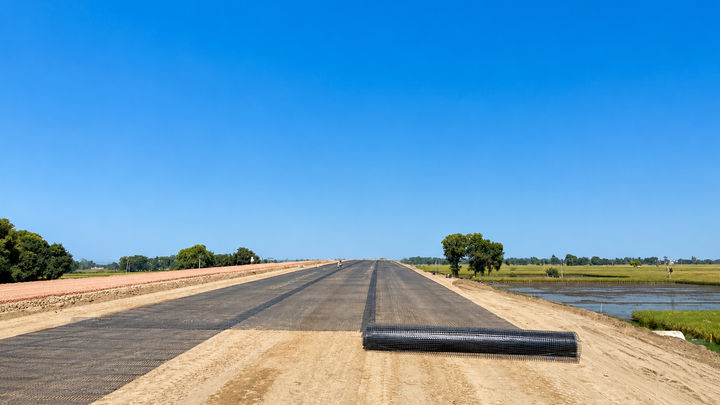
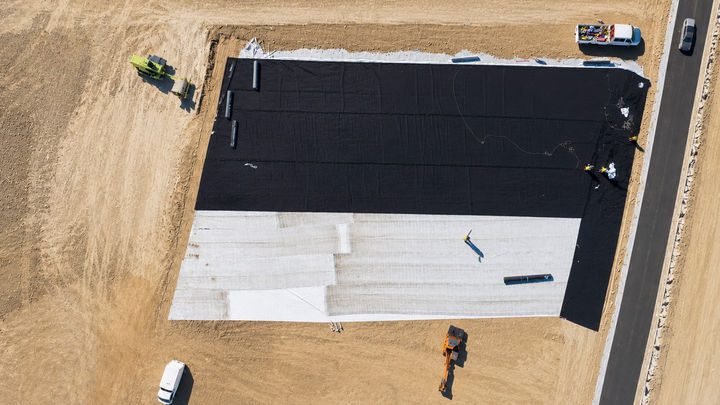
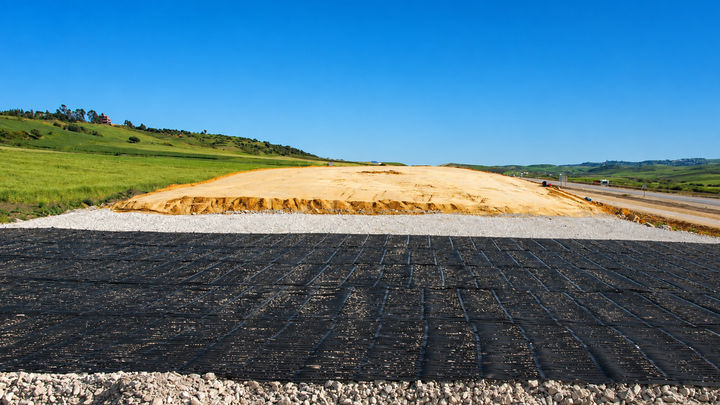
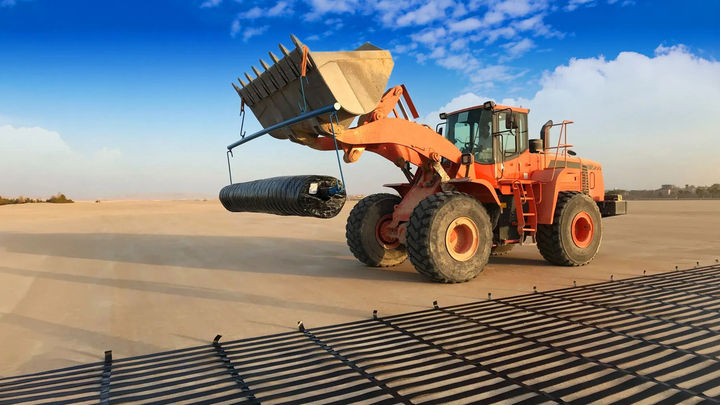
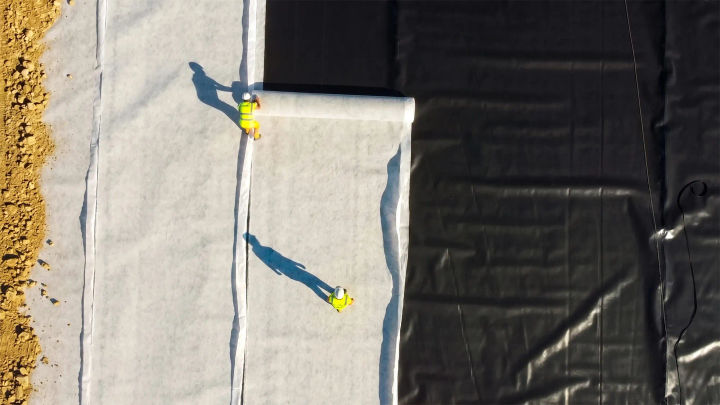
PET woven geotextiles are engineered using advanced textile equipment that weaves high-strength PET yarns into a durable fabric. These products are available as woven textiles like MacTEX® W2 or as composites that combine a filtering-separation nonwoven geotextile with a fabric (Directional Oriented Structure). This composite design merges reinforcement and separation/filtration functions in a single solution, making these geotextiles ideal for soil stabilization and reinforcement applications.
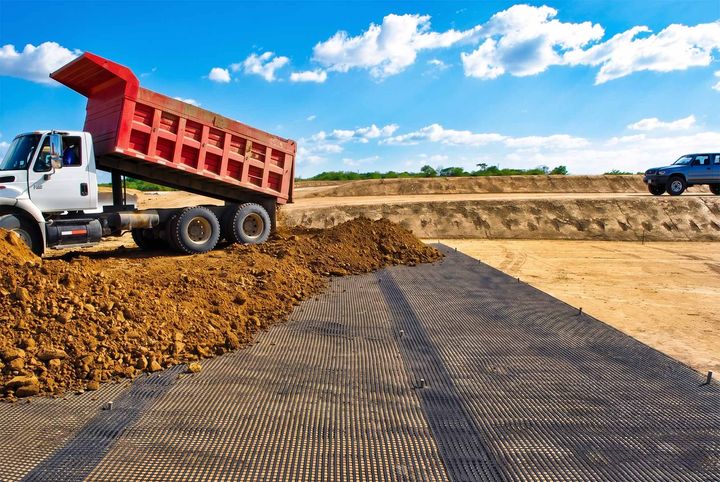
PET woven and composite geotextiles are highly effective on fine soft soils, where we can expect limited damaging effects of granular materials or chemical aggression. Leveraging Maccaferri’s expertise, these geotextiles deliver reliable performance in infrastructure, and road construction, ensuring long-term stability, durability, and cost-efficiency in demanding applications.
Success Stories
Built, not just drawn
Discover more
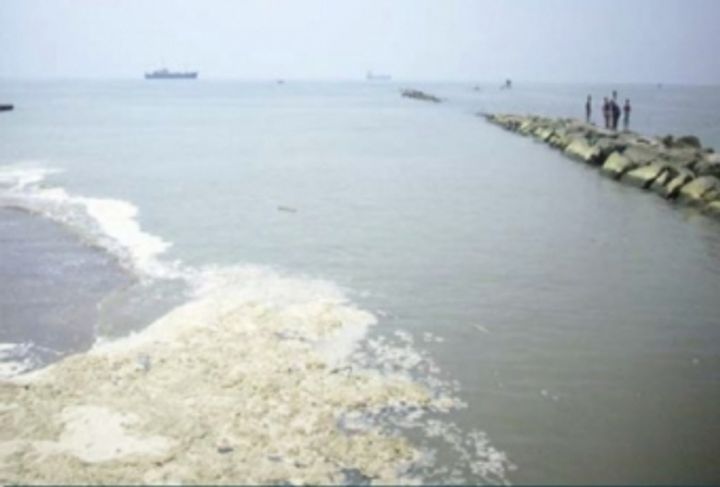
BASECO COMPOUND RECLAMATION
Philippines
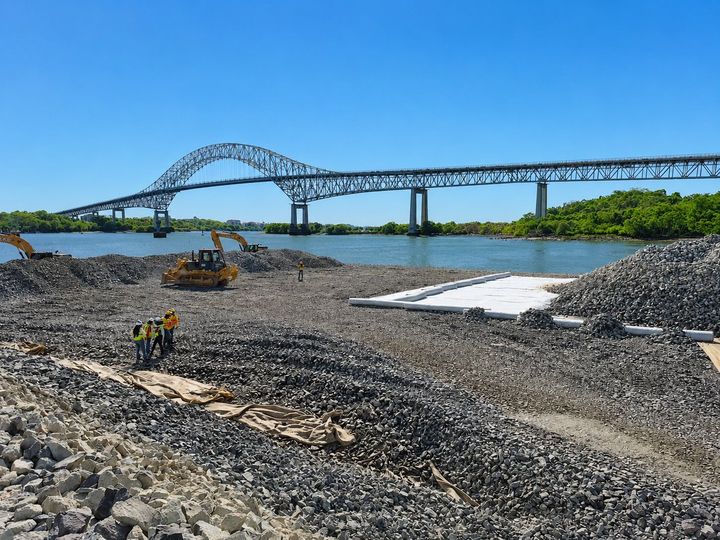
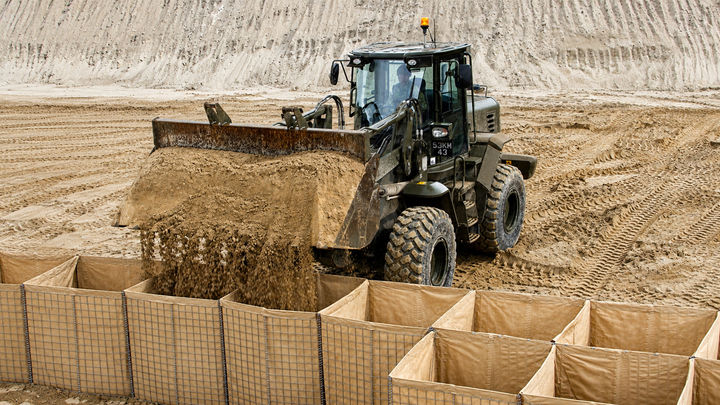
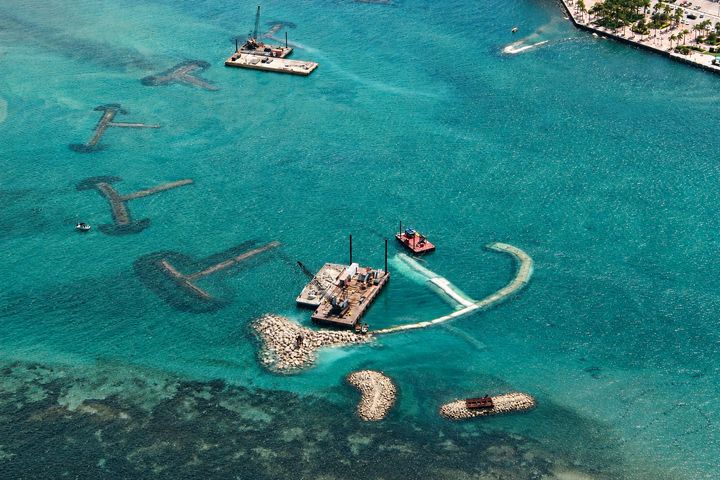
The Philippine Reclamation Authority (PRA) has proposed another 10 hectares reclamation project for a socialized housing at the Bataan Shipping and Engineering Company (BASECO) Compound, Tondo, Manila City, Philippines. This project was an extension of the previously constructed 256-hectare reclamation project of PRA. The project was awarded to FF Cruz & Construction, Inc. A containment wall (revetment) was needed on the existing breakwaters to protect the reclamation area from coastal erosion resulting from effects of waves and tidal changes. The contractor decided to look for an alternative system that would work for the same objective of protecting compacted backfill materials behind the revetment against erosion while making use of qualified dredged sediments.
Discover more
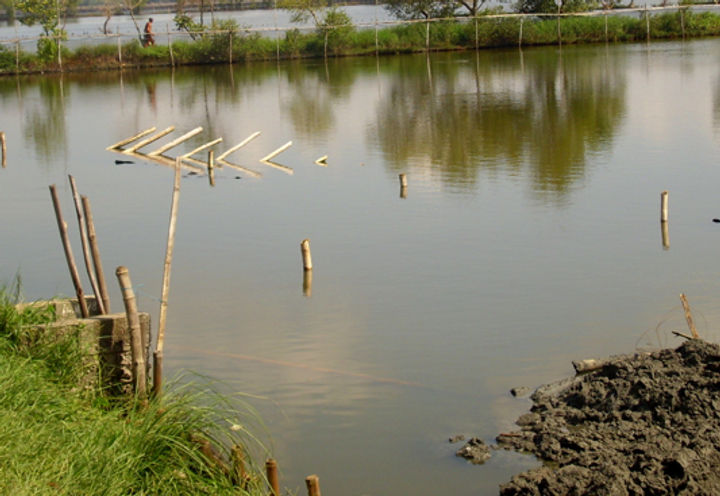
CAMANAVA FLOOD WALL
Philippines
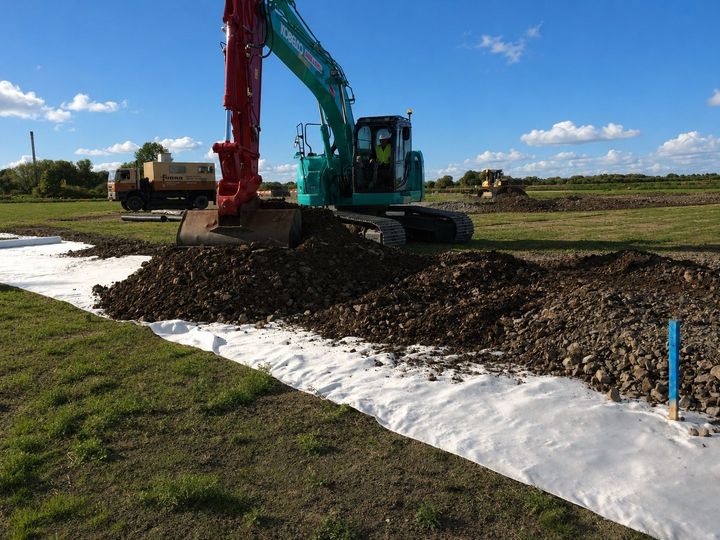
A polder dike was constructed in Dampalit, Malabon City, Philippines to solve unending flood problems in the CAMANAVA (Caloocan-Malabon-Navotas-Valenzuela) area. However, the dike must be improved since massive flooding still occured during heavy rains. In this, Department of Public Works & Highways (DPWH) engineers designed a road embankment to support the polder dike. However, the embankment’s footprint was located on existing fish ponds with soft soils. This scenario can cause large differential settlement on the road atop the proposed embankment if not addressed.
Discover more
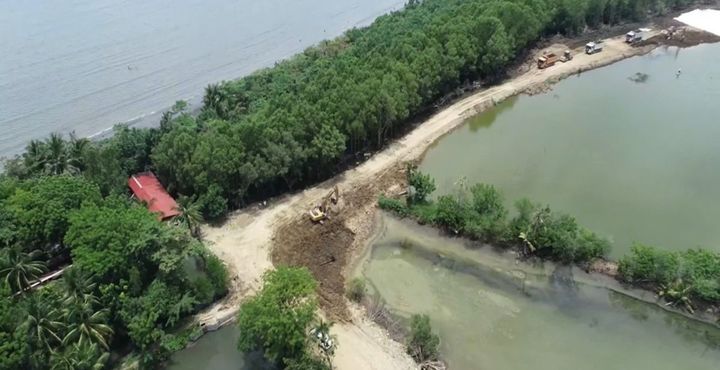
CARMEN-TAGUM CITY COASTAL ROAD
Philippines
The Department of Public Works and Highways (DPWH) Carmen-Tagum City Coastal Road Project, currently under development, is faced with several critical challenges. This project aims to unlock the potential of aquaculture in Tagum City, Davao del Norte, by opening up 1,200 to 2,000 hectares of land for aquaculture production. Additionally, it seeks to provide an alternative route to Davao City by connecting to the existing Carmen and Panabo Coastal Roads, thus reducing congestion and improving transportation in the region. However, the project's proximity to sensitive wetlands presents a significant environmental concern. Ensuring minimal disruption to the environment while constructing the road and establishing the infrastructure required for aquaculture is vital. Furthermore, temporary access for heavy equipment, including trucks and machinery, poses logistical challenges that need to be addressed effectively to avoid delays and environmental damage.
Discover more
Deep dive into
PET Woven / Composite Geotextiles
What we can do with
PET Woven / Composite Geotextiles
Get in touch with us
[contactForm_txtSuccessSubmit]