
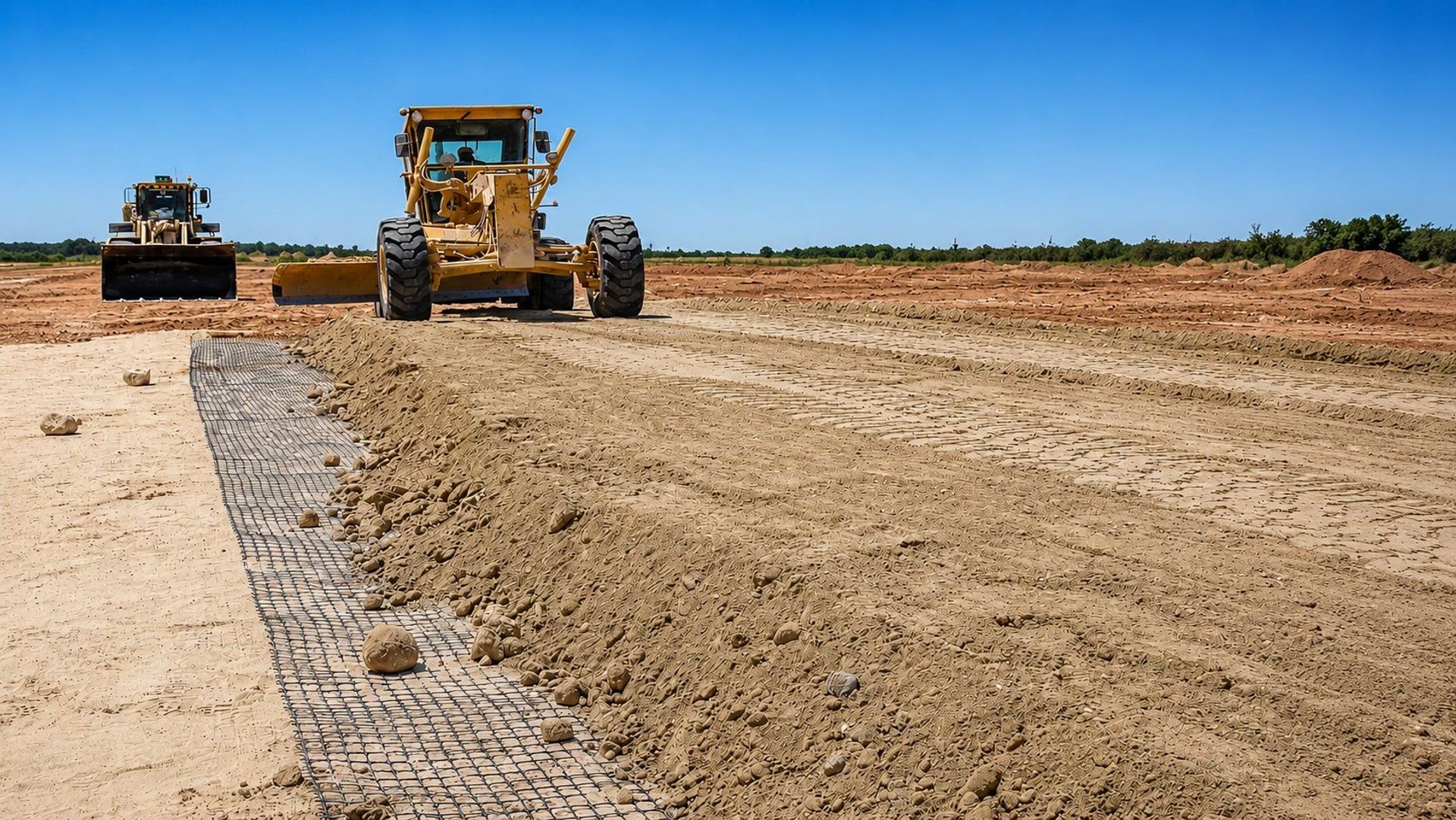
Biaxial Geogrids
Soil reinforcement for road stabilization
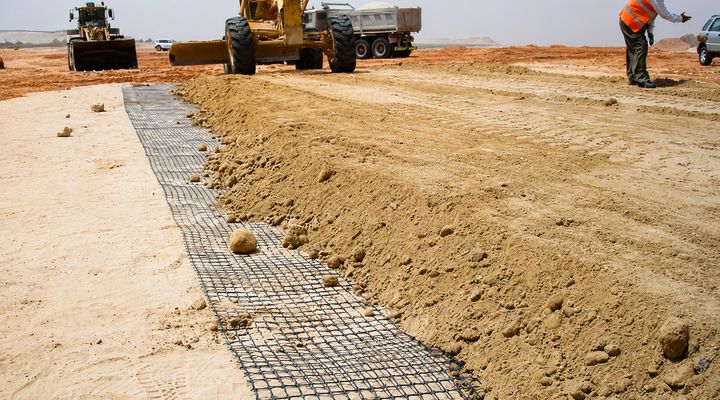
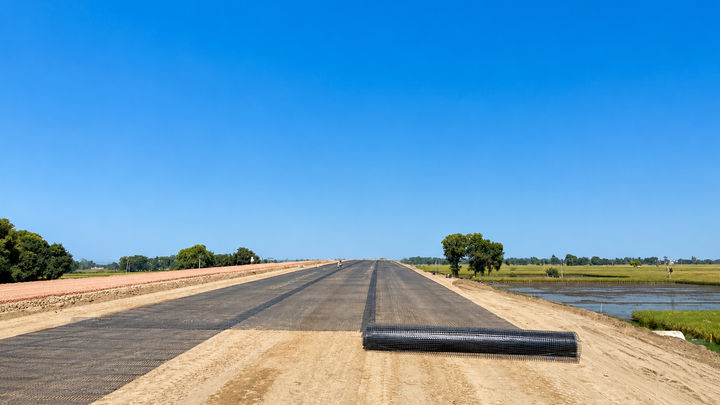
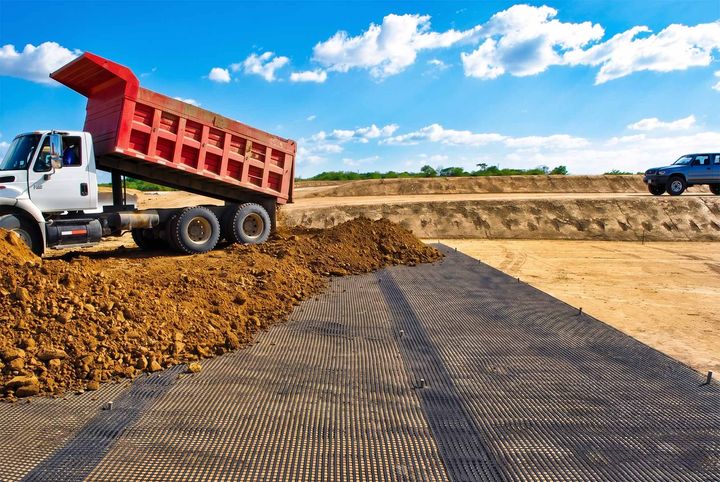
Biaxial geogrids are used mostly for reinforcement purposes in soil stabilization applications their symmetric-multiaxial structure can increase the bearing capacity of the existing subsoil providing the necessary strength and confinement effect. The tensile strength and the geometry of these geogrids are normally symmetric with tensile strengths from 20 to 300 (or even more) kN/m but three or more axis versions are available; also the polymer and the opening shapes can vary according to the tensile requirements and the fill properties.
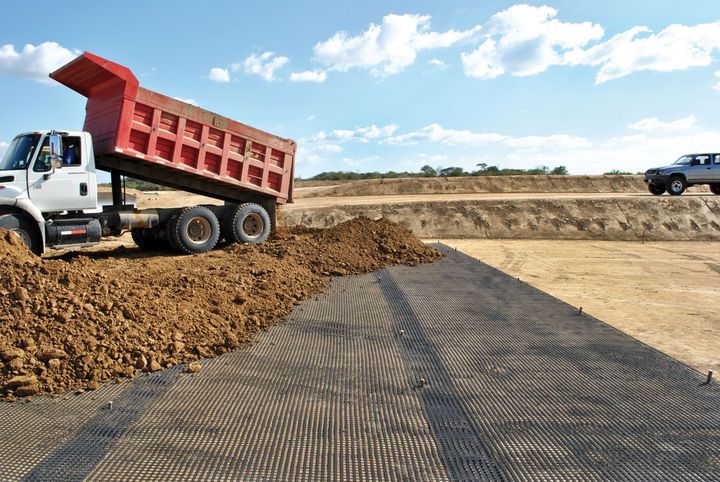
Maccaferri’s range includes different families of products:
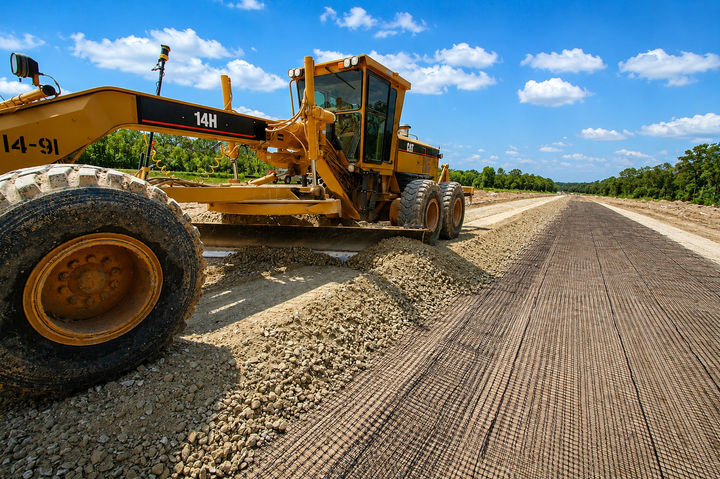
MacGrid EG
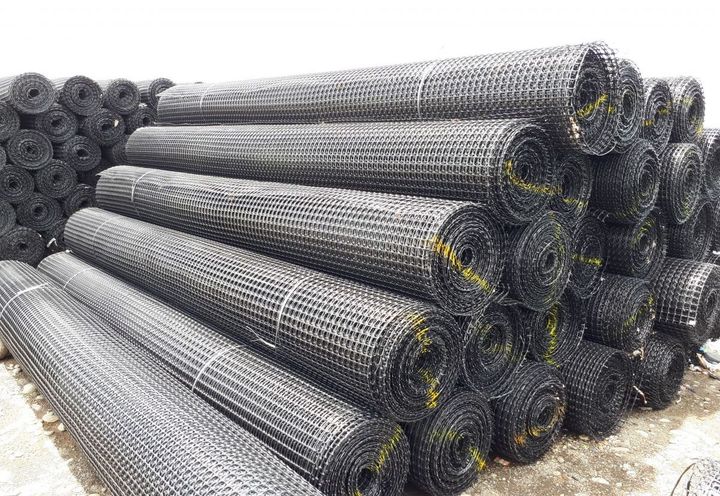
Extruded polypropylene geogrids with a symmetric tensile strength of up to 50 kN/m; successfully used in single or multiple layers for many decades in soil stabilization applications is an essential component of many combo-solving solutions.
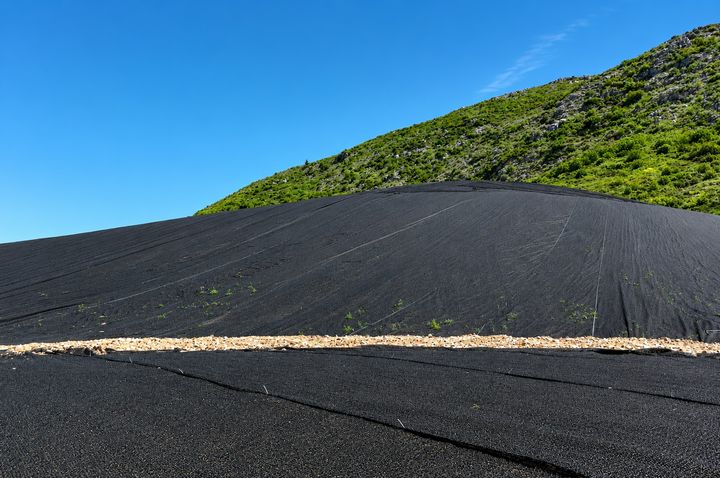
MacGrid EG-T
Again an extruded polypropylene geogrid but characterized by a triangular shape to have a multi-axial behaviour. These materials are used – as the MG EG – in the same type of applications and are supposed to be an evolution of the biaxial ones.
MacGrid WG-S
High tenacity PET knitted-weaved coated geogrids are also available and used in these types of applications especially when the tensile strength requested exceeds the capacity offered by the extruded ranges; these products are available up to standard symmetric strength of 300kN/m but – on demand – can be proposed up to 1000 kN/m.
Success Stories
Built, not just drawn
Discover more
A DURABLE WORKING PLATFORM FOR THE CEBU-CORDOVA LINK EXPRESSWAY
Philippines
Cebu-Cordova Link Expressway, also known as the Cebu-Cordova Bridge, is a toll bridge expressway that will link mainland Cebu in Cebu City to Mactan Island through the municipality of Cordova. It is currently one of the largest infrastructure projects in the country with a span of 8. 5 kilometers and a navigational clearance of 51 meters. The bridge will have two lanes in each direction to serve approximately 50,000 vehicles daily and will allow large sea vessels to pass underneath. Having a safe and durable working platform that will support heavy straddle carriers during the launching of the bridge girders in the causeway precast yard is critical to the success of the project. Comprehensive calculations and recommendations were needed to address the issue of insufficient bearing resistance in some areas of the causeway precast yard.
Discover more
NTPC SIDING-GADARWARA PROJECT– BLANKET THICKNESS REDUCTION
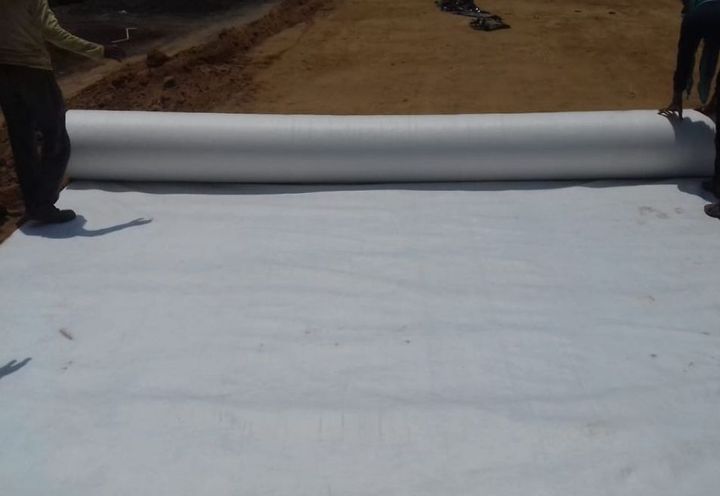
The Gadarwara railway station is approx. 20 km from NTPC site. NTPC constructed the Gadarwara railway siding line for transporting coal to their plant. For this railway siding work, the blanket (subballast) material was not available in the Gadrwara area and transportation of blanket material from outside area was not an economical option. This devoid of blanket material was major concern of project. Also, mining has been banned in our country due to environmental issues, so it had become difficult to get quantity for blanket for formation construction. Apart from unavailability of blanketing material, another concern of this project was the inadequacy of good subgrade material. The subgrade material was of SQ1 type which had fines content of more than 50%. Considering these aspects of project, biaxial extruded polypropylene geogrid MacGrid EG and non-woven geotextile solution MacTex N was proposed for strengthening the formation.
Discover more
Reinforced Soil System in Consolacion Cebu
Philippines
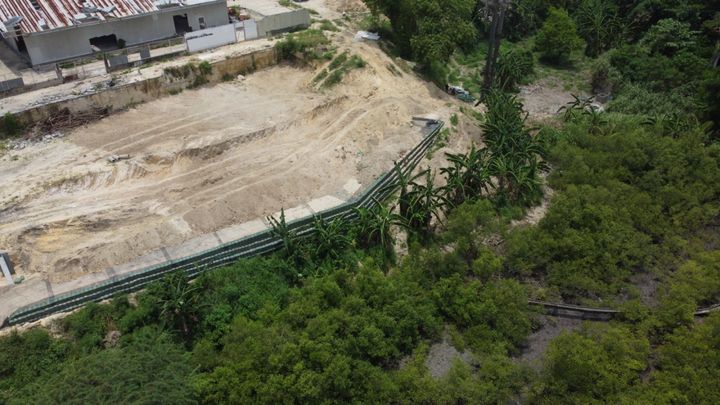
The municipality of Consolacion in Cebu has long dealt with steep and unstable slopes that pose serious risks to both nearby communities and ongoing development projects. The combination of loose soil, high rainfall, and continuous human activity created conditions that were highly susceptible to erosion and slope failure. Without proper intervention, these vulnerable slopes could have triggered landslides capable of damaging critical infrastructure, endangering lives, and slowing down planned developments in the area. The potential consequences extended beyond immediate safety concerns; unchecked erosion would have required repeated repairs, hindered economic growth, and undermined the long-term sustainability of the community. With rapid urbanization in the region and the pressing demand for secure land development, a durable and environmentally responsible solution was necessary to stabilize the terrain and safeguard both residents and infrastructure.
Discover more
What we can do with
Biaxial Geogrids



Get in touch with us
[contactForm_txtSuccessSubmit]