
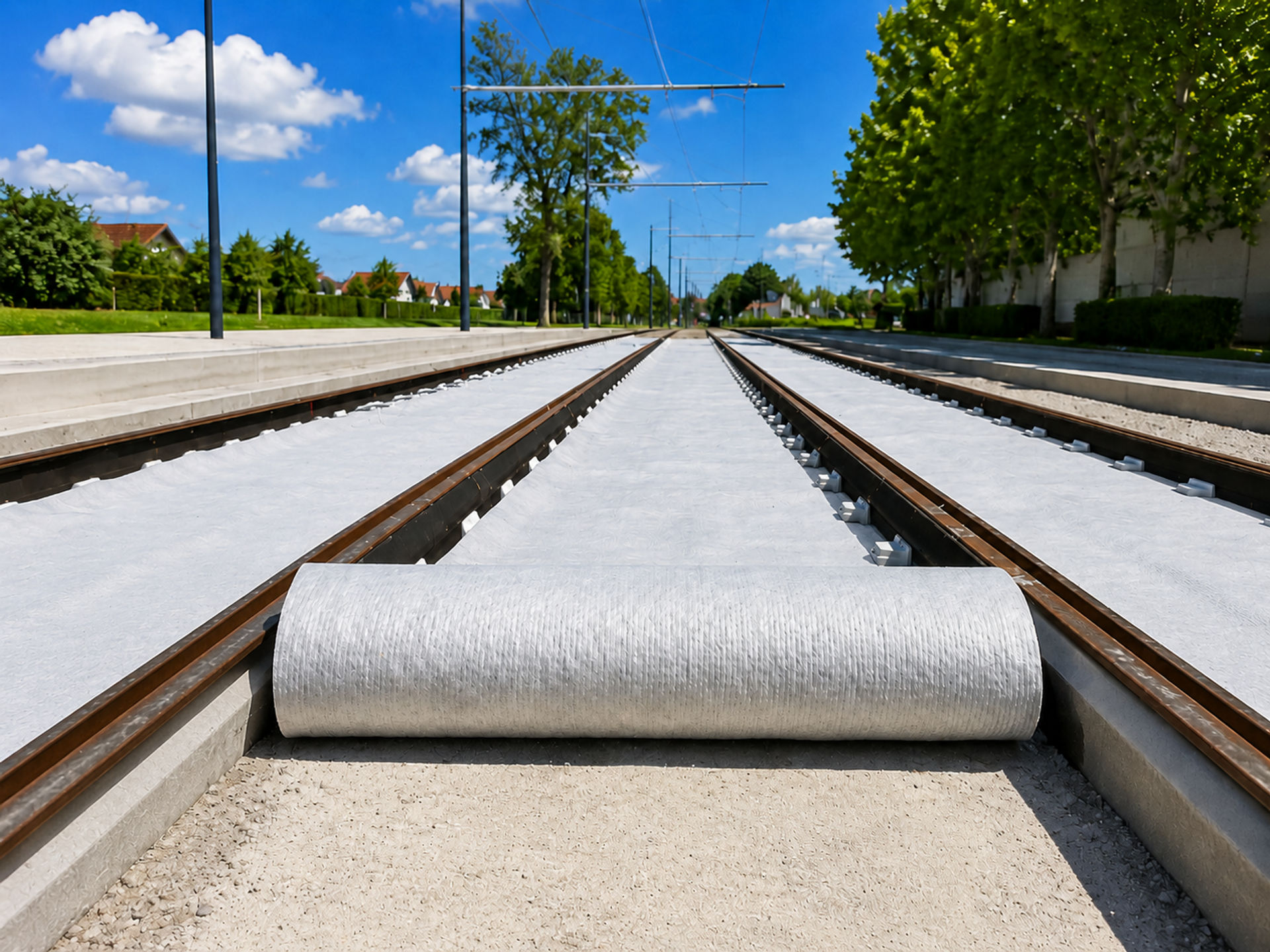
Drainage Geocomposites
Efficient water drainage and filtration
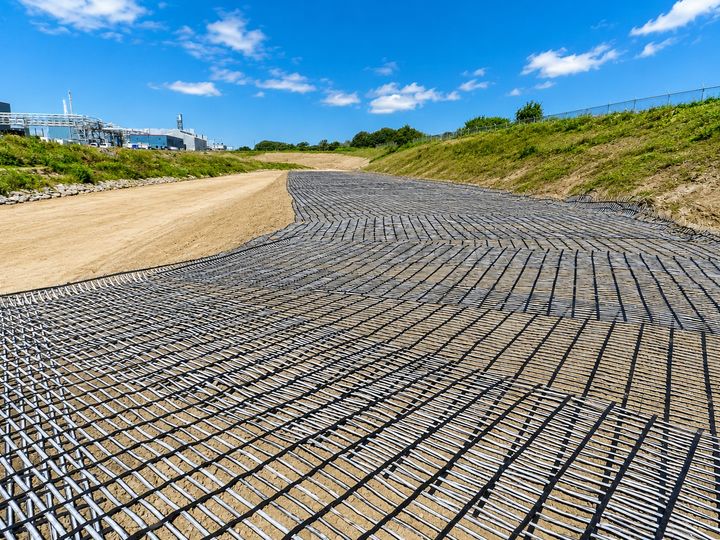
Drainage composites play a pivotal role in diverse applications, spanning civil engineering, planar installations, roofing, and landfill projects. These composites, formed by combining a drainage core layer (such as a mat, net, or moulded element) with one or two layers of geotextiles or geomembranes during production, serve functions like filtering, separation, and, in some cases, additional features such as protection.
The primary and key function of drainage composites is drainage, therefore it’s mandatory to determine the variation of such performance in time as a result of the surrounding conditions.
Among the key factors, considerations about compressive creep reduction, flow rate variations, and filter efficiency are critical to ensure the sustained effectiveness of these composites.
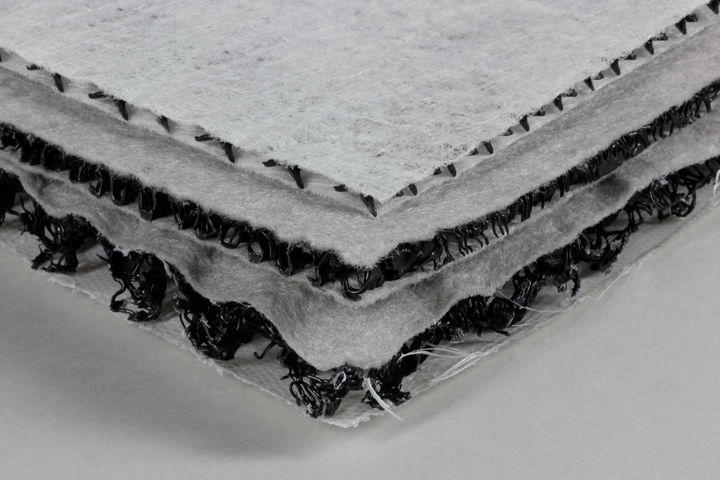
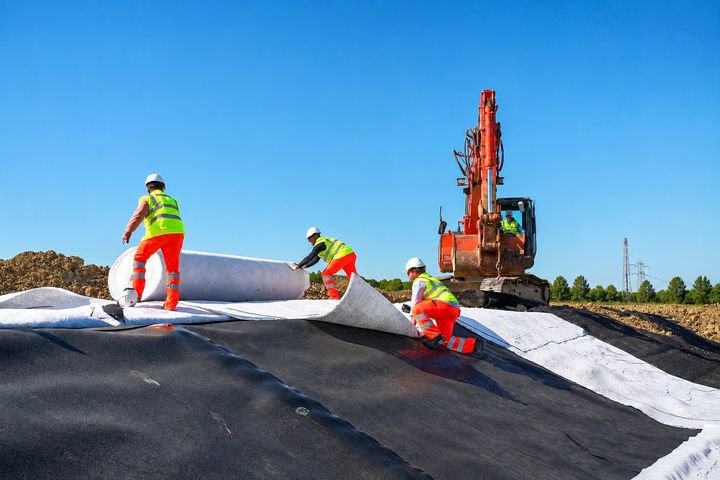
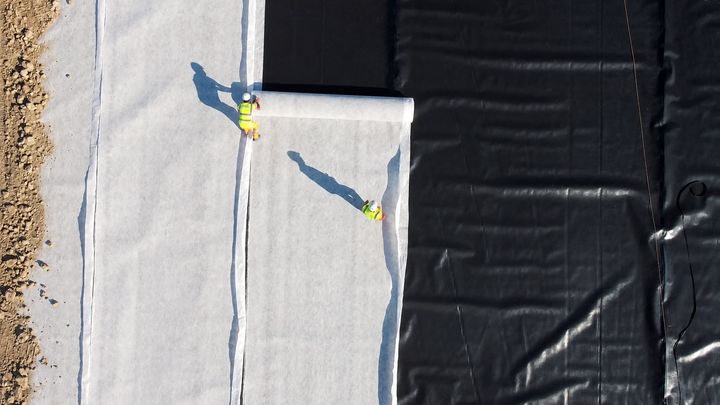
Given the extensive range of applications for drainage composites, specialized product families have been developed to meet specific needs and provide optimal performance in different scenarios.
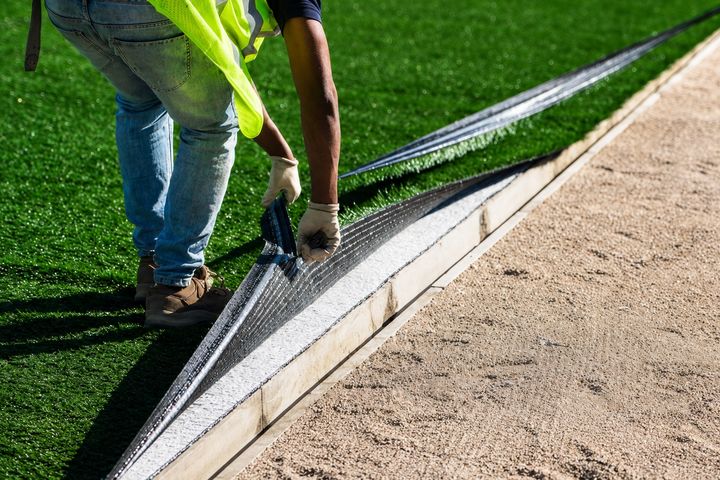
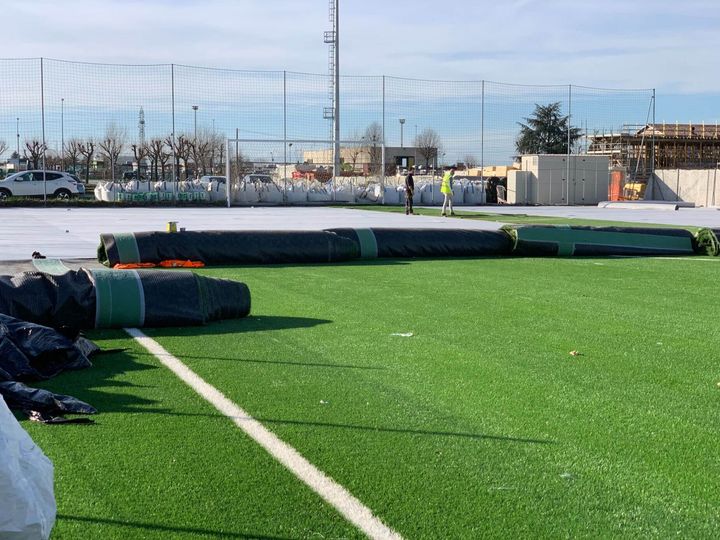
TerraDrain™ for Sports Fields
Tailored for sports field applications.
Specifically designed to address drainage requirements associated with athletic surfaces.
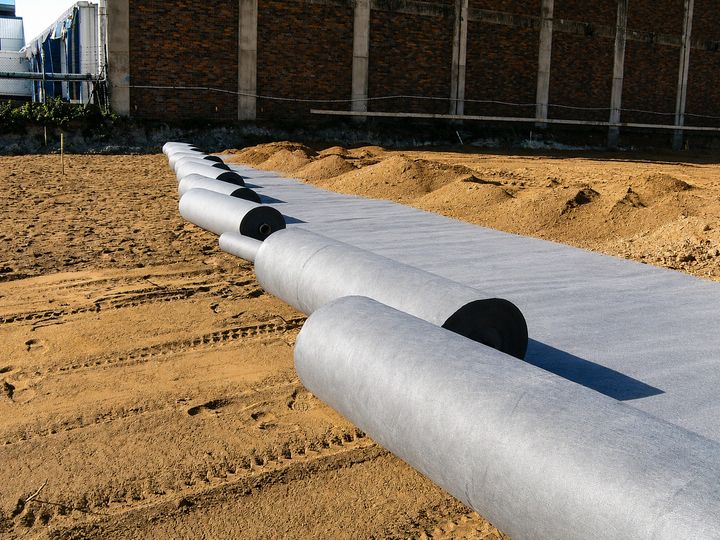
MacDrain™ W for High Flow Rates and heavy load conditions
Engineered to withstand and effectively manage high flow rates.
Suitable for applications where rapid drainage is a priority.
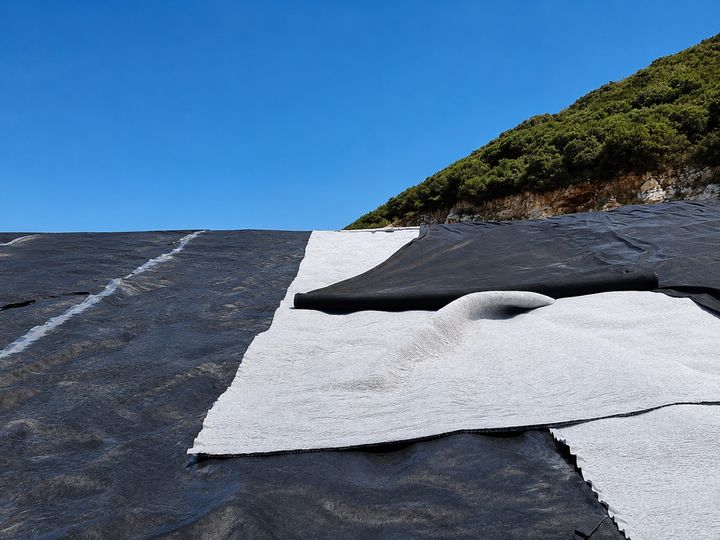
MacDrain™ M for High Flow Rates and medium load conditions
Primarily designed to handle high compression loads.
Tailored for particular applications, providing unique advantages.
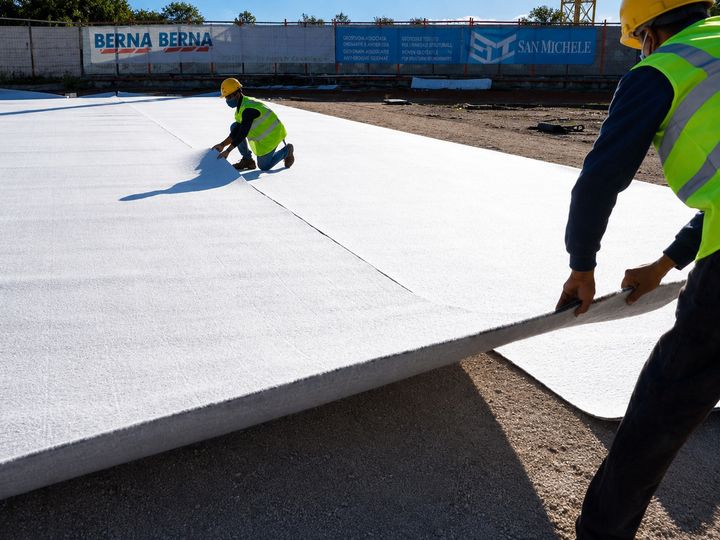
These specialized product families highlight the versatility and adaptability of drainage composites, ensuring they meet the specific demands of various projects. Whether utilized in civil engineering, planar installations, roofing, landfill projects, or sports fields, MacDrain™ W and M excel in high-flow rate scenarios. Additionally, the MacDrain™ N family provides a tailored solution, designed specifically to withstand extreme compression loads. These tailored product families aim to deliver optimal performance and the best possible user experience in their respective applications.
Success Stories
Built, not just drawn
Discover more
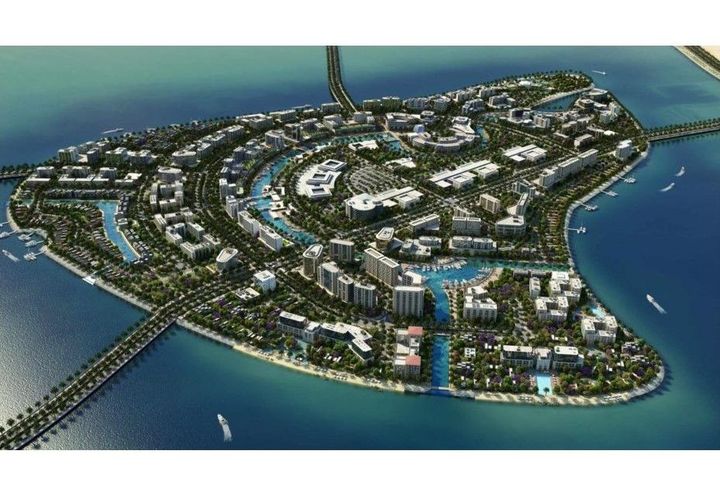
DILMUNIA GRAND CANAL & MARINA (DGCM)
Bahrain
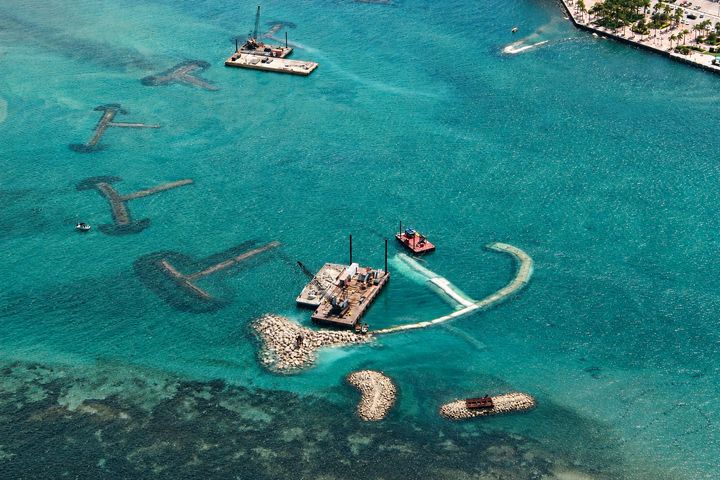
Ithmaar Development Company is developing the reclaimed island of Dilmunia on the north-eastern coast of the island of Muharraq, Kingdom of Bahrain. The development project includes the construction of a nearly 1. 5 km leisure canal (Dilmunia Grand Canal), which will be the central attraction of the island's architectural design, including water activities, fountains, cascades, and waterfalls. Dilmunia canal is elevated few meters above the surrounding ground level, and any potential leaks may become visible and are highly undesirable. Therefore, the project foresees to waterproof the canal structure with various geosynthetic products, including several complementary watertight and drainage elements either installed inside and outside the peripheral walls.
Discover more
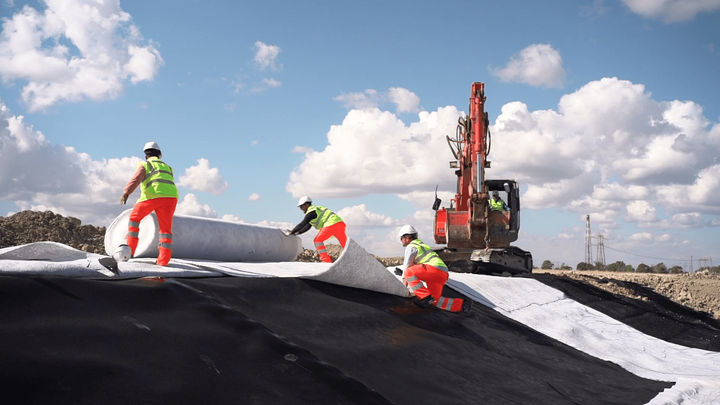
MICOROSA ENVIRONMENTAL REMEDIATION PROJECT
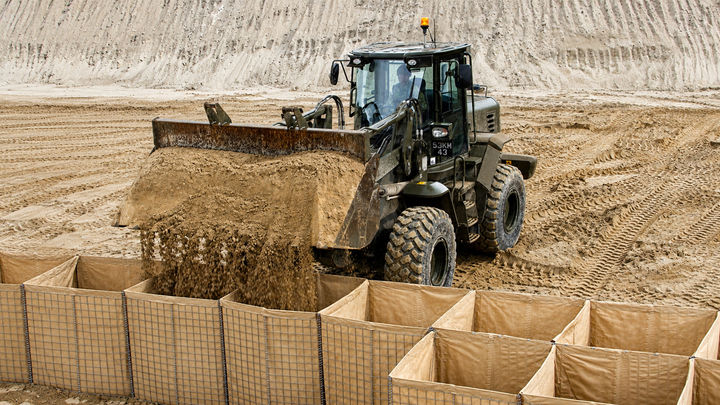
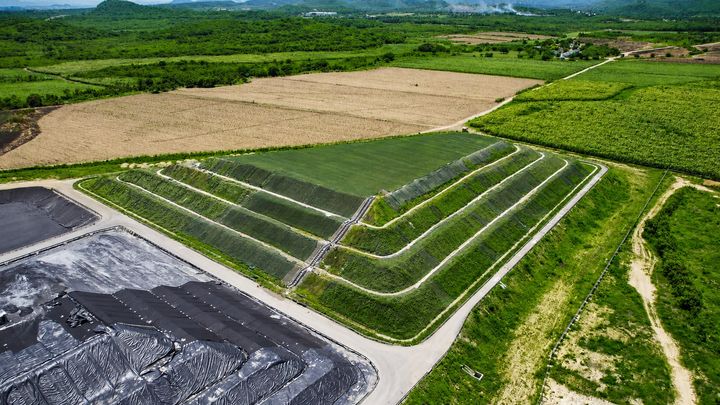
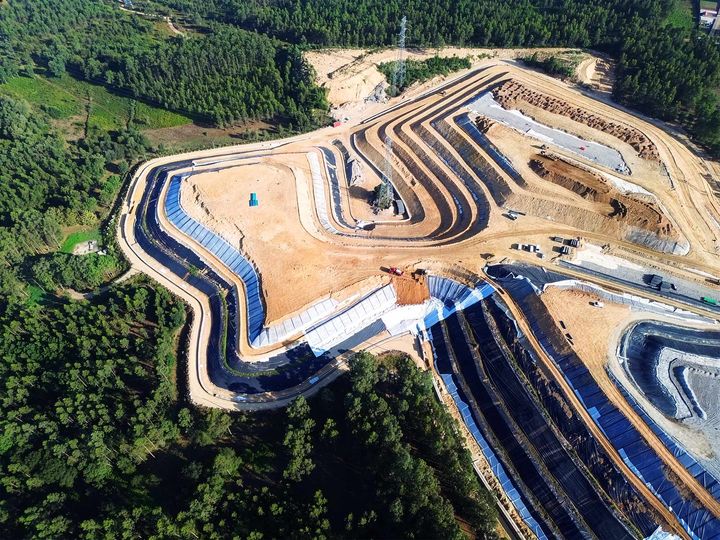
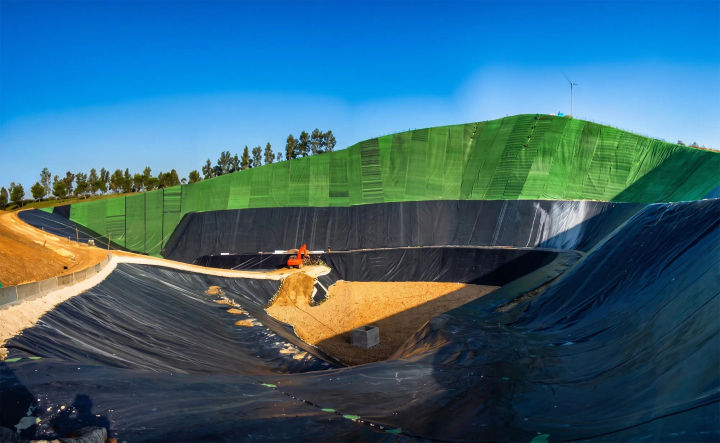
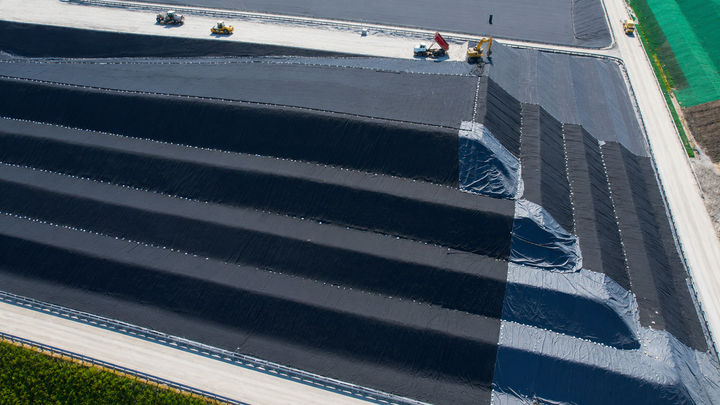
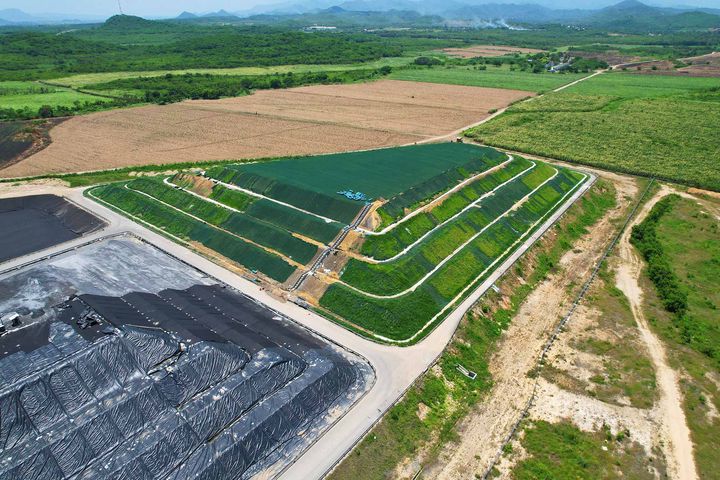
The Micorosa area, designated as a National Interest Site (SIN), posed significant environmental challenges due to the presence of an industrial waste landfill. The critical environmental levels in this SIN area necessitated a permanent security intervention. The project, authorized by the Italian Ministry of the Environment, aimed to address the persistent issues through capping and physical girdling using a plastic diaphragm.
Discover more
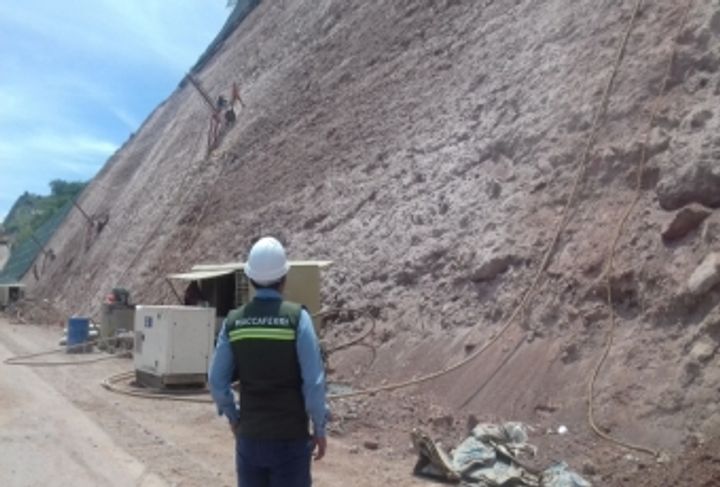
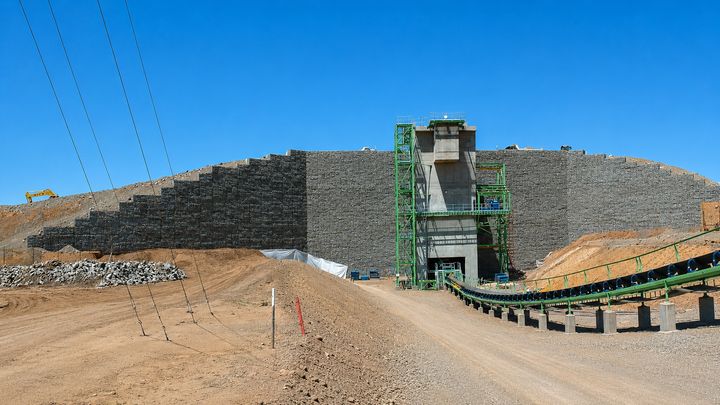
MSE WALL FOR SLOPE PROTECTION AT KARIANGAU OFFSHORE
Indonesia
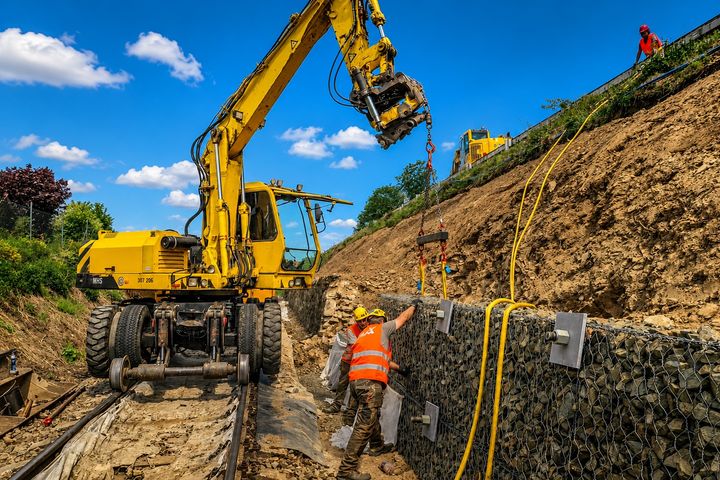
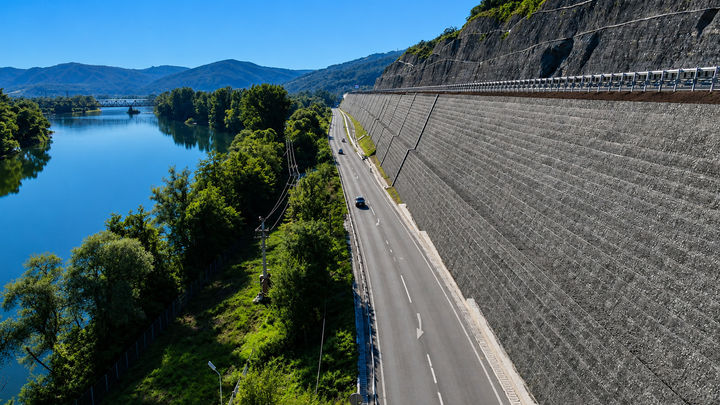
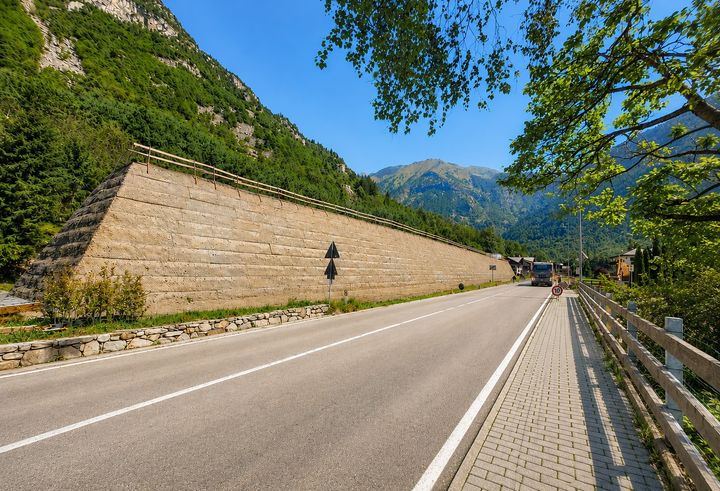
Kariangau Offshore Supply Base (KOSB) Fuel Terminal is a fuel terminal located in Balikpapan, East Borneo. It serves as fuel storage for various industries. The Client needed a retaining structure for slope protection of the access road that connects the port and the fuel terminal. Few slope failures and erosion occurred from 2015 and slope remediation already been done in 2016. While the area has a low seismicity level, there is a presence of coal and clay shale at the project location this could be the cause of the problem if appropriate measures are undertaken. Certain substances of coal, typically the iron sulfide (FeS2) can be oxidized after being exposed to air and water, therefore they have the potential to damage the retaining structure if the adequate coating of the system is not applied. The clay shale, while hard with high shear strength when dry, can lose its shear strength when exposed to air and water. The slope to be protected has various height, ranging from 20 – 30 meters. The initial solution was mass gravity retaining structure with gabion and woven geotextile.
Discover more
Deep dive into
Drainage Geocomposites
What we can do with
Drainage Geocomposites
Solutions
Get in touch with us
[contactForm_txtSuccessSubmit]