
MonoAxial GeoGrids
Soil reinforcement for stable structures
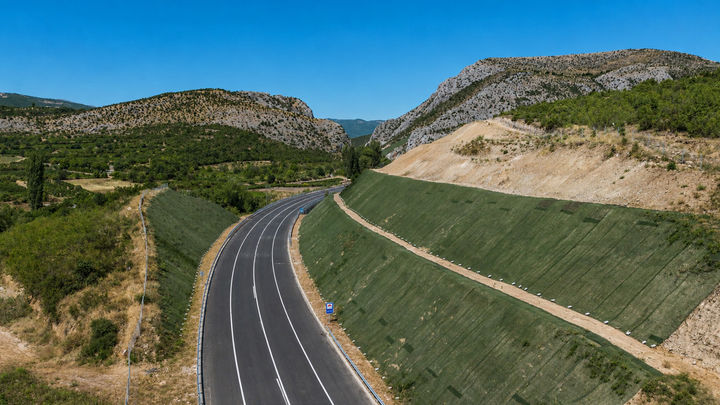
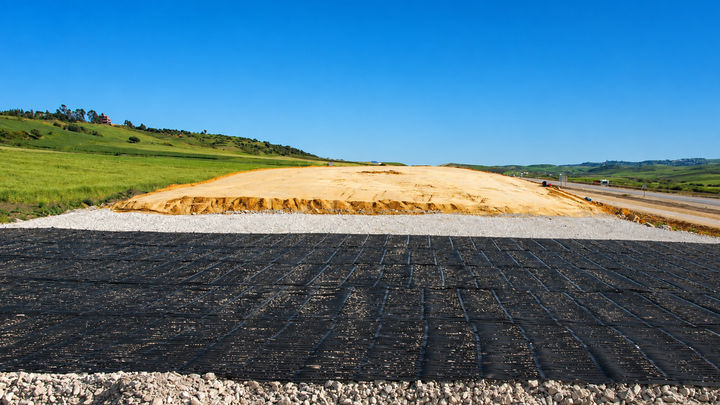
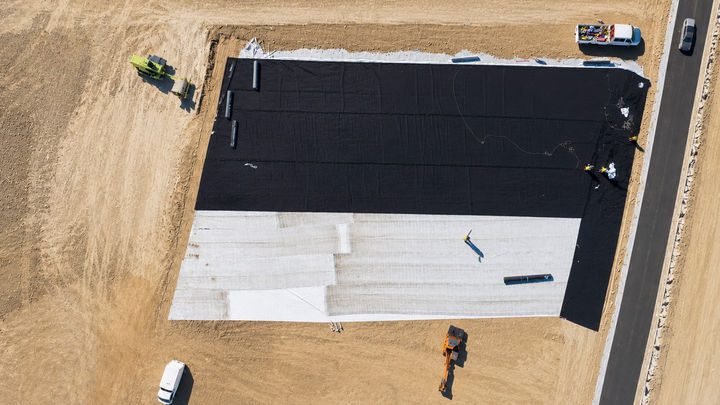
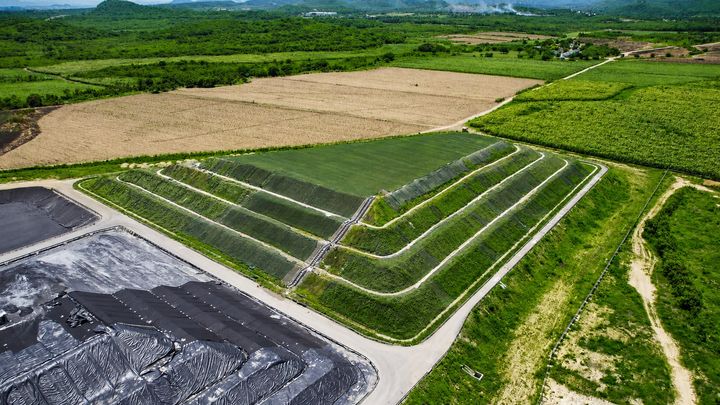
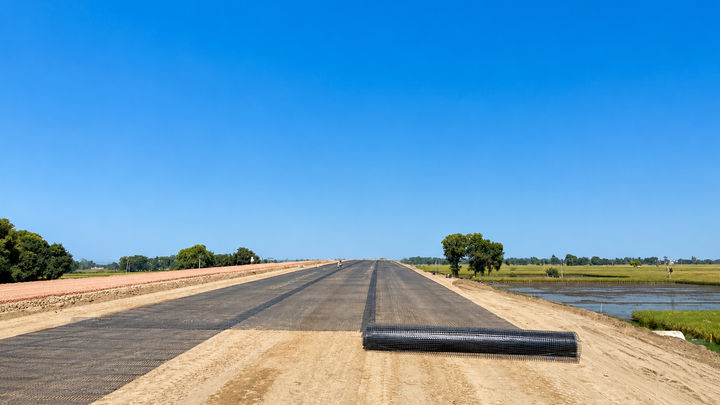
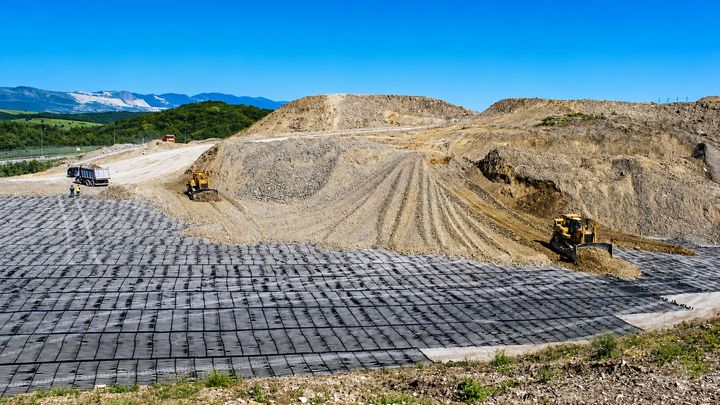
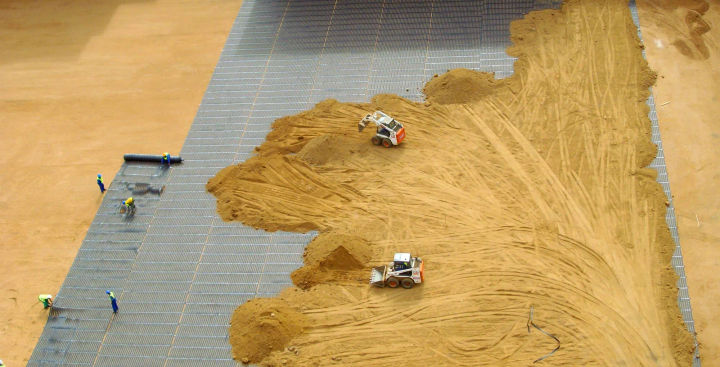
Geogrids are used mostly for reinforcement purposes being their peculiar structure able to provide the necessary strength to reinforce the filling material.
Monoaxial type are characterized by having a main tensile strength, normally in the MD direction, where the CMD performances are reduced to minimum as requested by the manufacturing geogrid technology.
Maccaferri range is very specialized where each family has been specifically designed and developed to target at best the necessary requirements (not only from the technical point of view – mechanical performances in the short and long term, durability, interaction with the soil – but also from a sustainability prospective – impact on the environment, recycling or reuse etc).
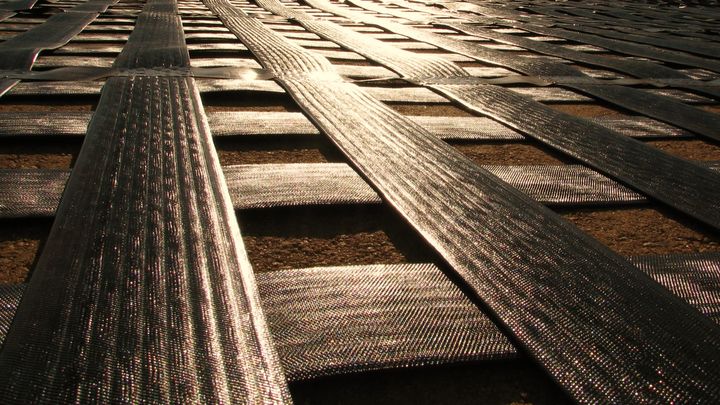
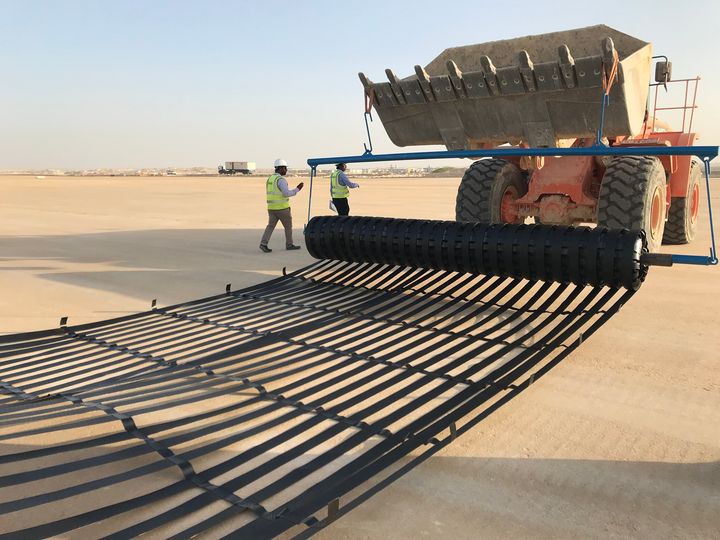
The ParaProduct types represent the excellence available by Maccaferri (the all products are BBA certified) and are tailored as:
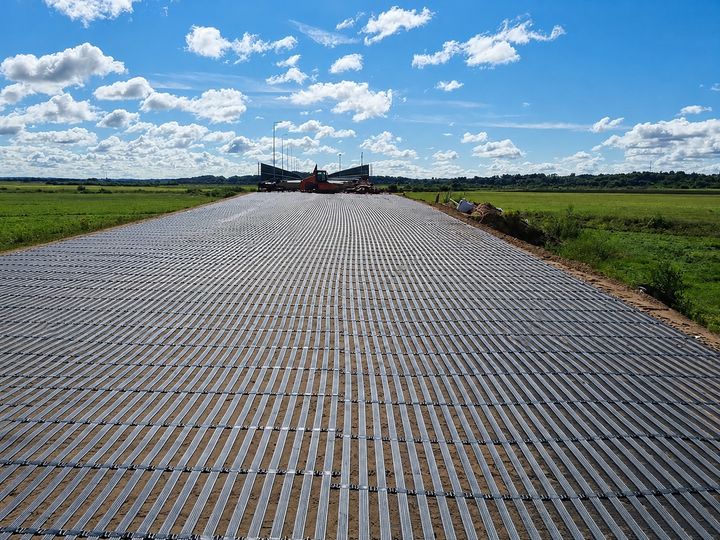
ParaGrid
High tenacity core with a thick PE coating with strength from 30 to 200 kN/m to be used in standard soil reinforcement applications (mostly retaining structures) in any soil including aggressive ones characterized by high values of ph
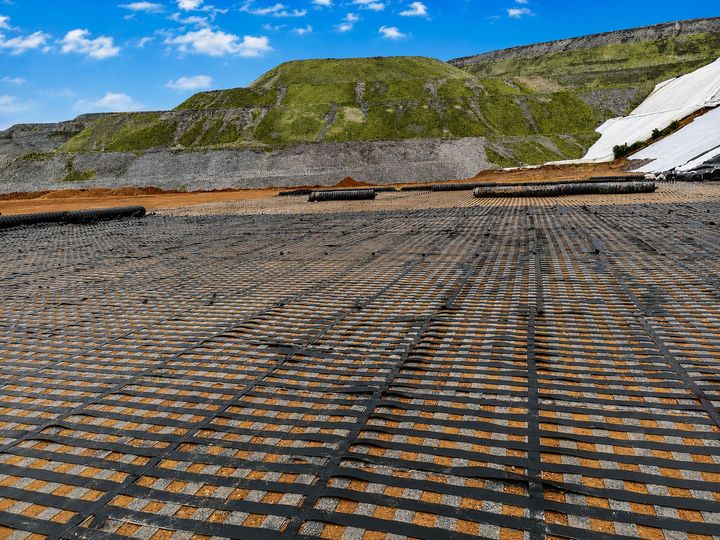
ParaGrid HF
Similar to ParaGrid as structure but mostly used in combination with Terramesh units as primary reinforcement. Their strength varies from 90 to 250 kN/m and can be used in any soil including aggressive ones characterized by high values of ph
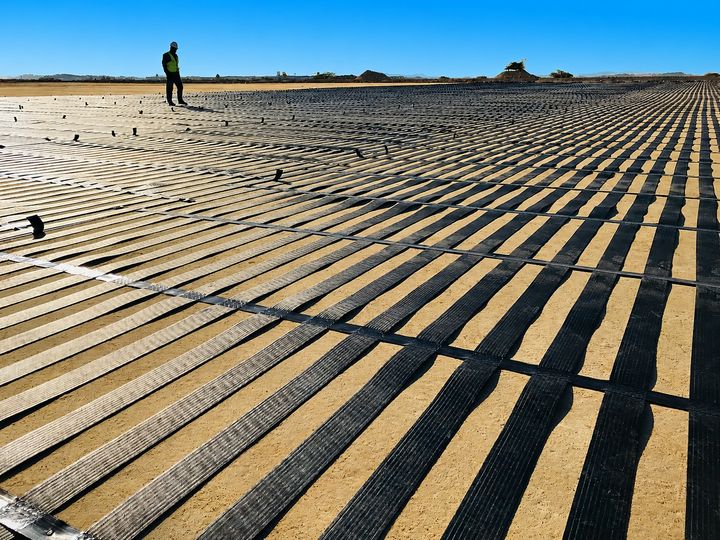
ParaLink
Again a strip based structure mostly used in basal reinforcement applications (but not exclusively) as piled embankment foundations, sink holes application or foundation on soft soils. Their strength varies from 300 to 1600 kN/m and can be used in any soil including aggressive ones characterized by high values of ph
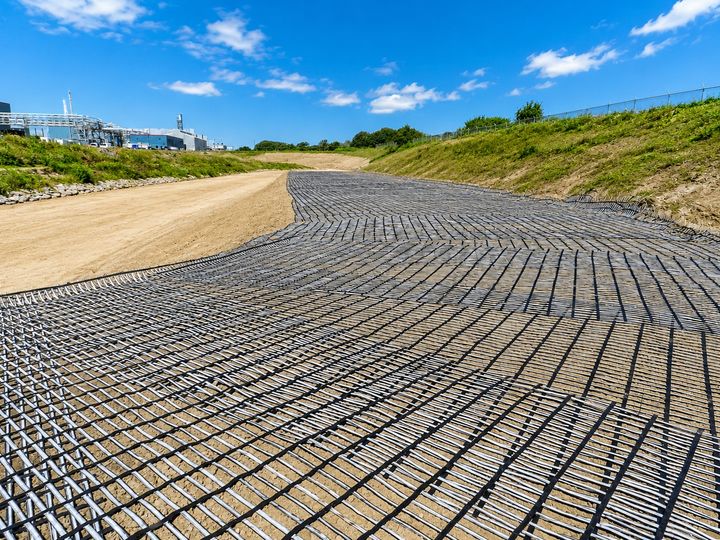
ParaDrain
Similar to ParaGrid but with a draining capacity in the MD direction obtained by shaping the strips with a channel profile closed by a geotextile filter. This unique composite is designed to be used with very thin or cohesive soils in very demanding geotechnical situations.
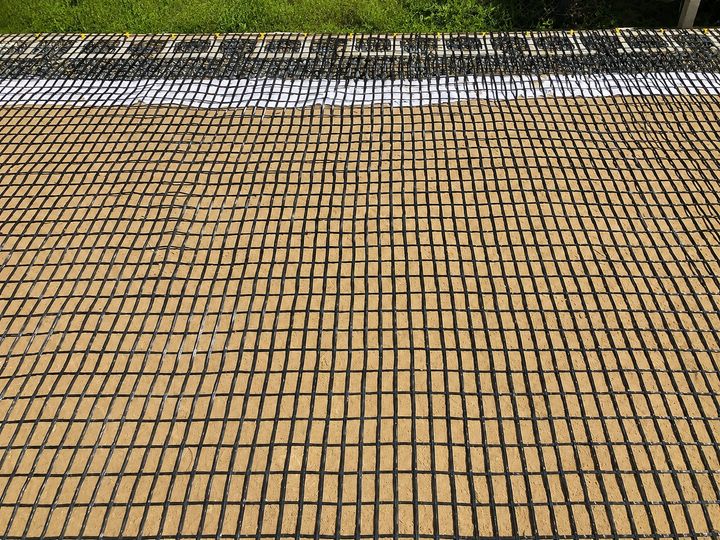
Paragrid W
An enhanced high performance knitted geogrid characterized by a very high modulus and the lowest reduction factors. Designed for standard soil reinforcement application with a specific focus on segmental wall applications. This family is suitable for use with standard soils characterized by 4</=ph</=9
Success Stories
Built, not just drawn
Discover more
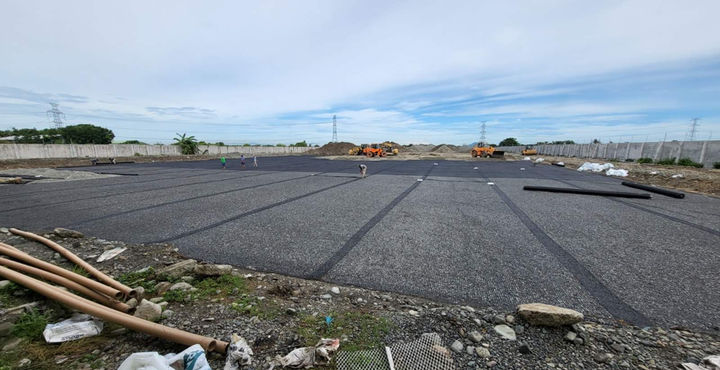
12 UNITS GRAIN SILOS IN TALAVERA, NUEVA ECIJA
Philippines
HG Silos will be constructing 12 units of 1500 metric tons of grain silos in Talavera, Nueva Ecija. Based on the soil investigation report, the soil is underlain by five to six meters of silty sand having a standard penetration test (SPT) - N value range of six to ten. It is recommended that an allowable bearing capacity of 175 kPa should the soil obtain for it to be able to carry all the loads induced by the grain silos. For tank farm facilities situated on soft soils, the solution of the geogrid reinforced foundation is often used to address the low bearing capacity. Geogrids address the issue of low bearing capacity by increasing their load-carrying capacity. HG Silos sought a recommendation to Maccaferri Philippines to increase the capacity of the soil.
Discover more
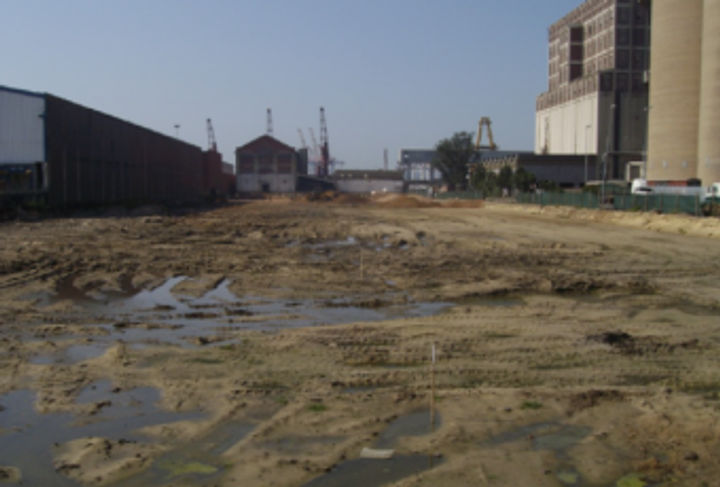
AGRIPORT, MAYDON WHARF
A 12 000m² warehouse for storage of thousands of tons of soya had to be built on of low bearing, silty, fine hydraulic fills which are up to 4m in depth at the Durban Harbour area. These hydraulic fills are underlain by silty sand horizons which are interspersed by sandy clay and sandy clayey silts, which vary from 2m to about 20m in thickness. Calcareous sandstone, soft shale and siltstones were also found at depths of between 25-27m below ground. The water table was at 1. 6m below natural ground. The client needed the structure to be finished as quickly as possible. The challenge was to provide a suitable foundation to carry such huge loads, on such poor founding conditions, in the quickest time.
Discover more
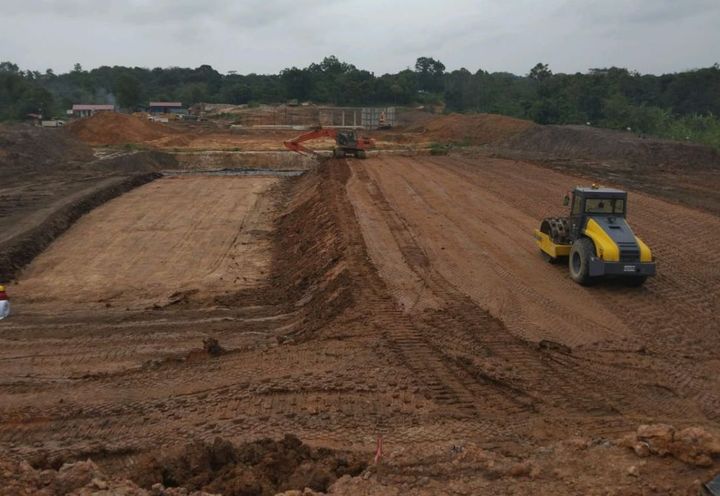
BASAL REINFORCEMENT AT EMBUNG AJI RADEN
Indonesia
Embung Aji Raden was planned to be constructed above soft soil. The existence of soft soil has the potential to cause non-uniform settlement, and if not prevented immediately will cause long-term problems in the stability of the embankment above. Thus, basal reinforcement is needed below the embankment to distribute embankment load to the soil and to reduce differential settlement potential.
Discover more
Deep dive into
MonoAxial GeoGrids
What we can do with
MonoAxial GeoGrids




Applications
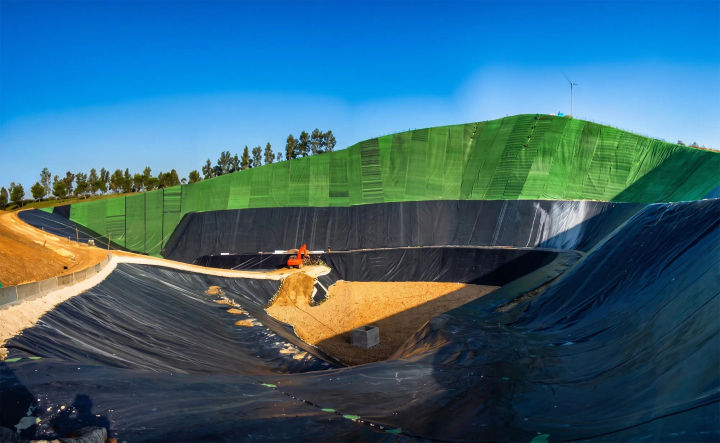
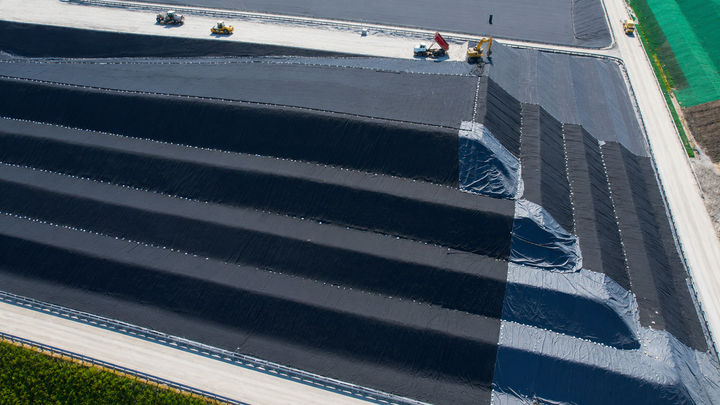
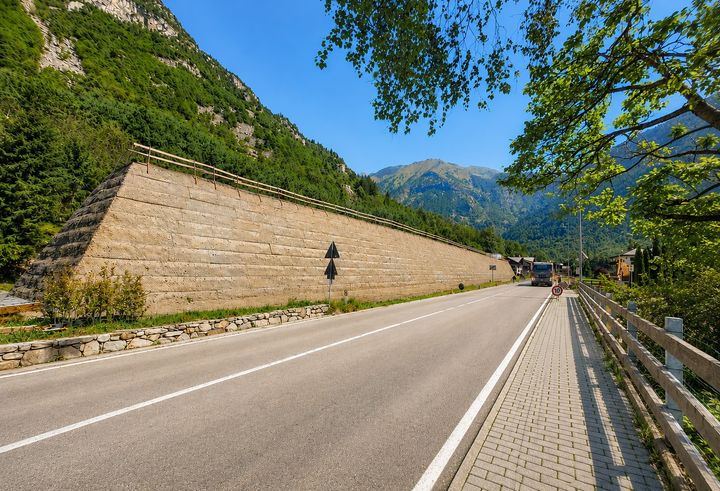

Solutions
Get in touch with us
[contactForm_txtSuccessSubmit]